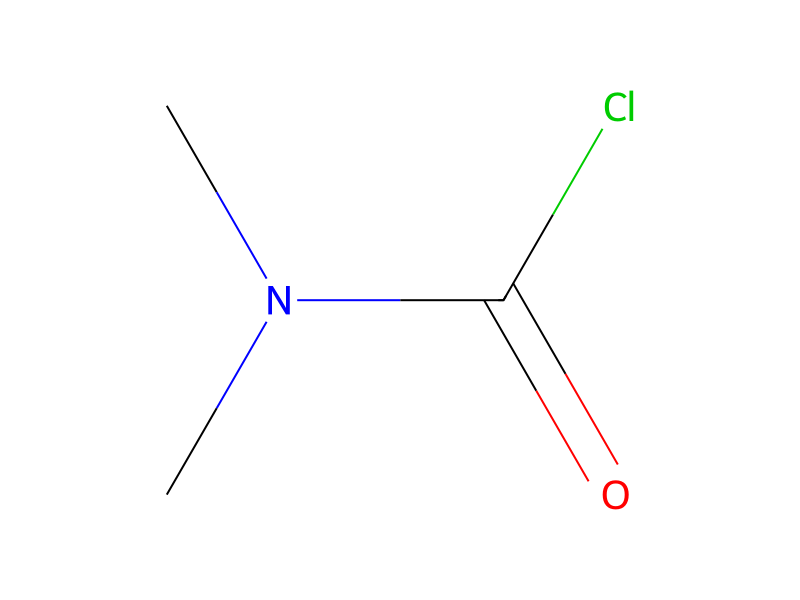
Br.[F:2][C:3]1[C:11]([OH:12])=[CH:10][CH:9]=[C:8]2[C:4]=1[CH2:5][N:6]([NH:13][C:14]1[CH:19]=[CH:18][N:17]=[CH:16][CH:15]=1)[CH2:7]2.C(N(CC)CC)C.[CH3:27][N:28]([CH3:32])[C:29]([Cl:31])=[O:30].C(=O)(O)[O-].[Na+]>C(Cl)(Cl)Cl>[ClH:31].[CH3:27][N:28]([CH3:32])[C:29](=[O:30])[O:12][C:11]1[C:3]([F:2])=[C:4]2[C:8](=[CH:9][CH:10]=1)[CH2:7][N:6]([NH:13][C:14]1[CH:19]=[CH:18][N:17]=[CH:16][CH:15]=1)[CH2:5]2To a mixture of 2,3-dihydro-4-fluoro-2-(4-pyridinylamino)-1H-isoindol-5-ol hydrobromide (600 mg), triethylamine (614 mg), and chloroform (10 ml), dimethylcarbamyl chloride (237 mg) in chloroform (5 ml) was added dropwise, with stirring at ambient temperature, under nitrogen. The reaction mixture was stirred under reflux for 5 hrs, at ambient temperature overnight and poured into dilute sodium bicarbonate solution (100 ml). The layers were separated. The aqueous phase was extracted with chloroform, and the combined organic layers were dried over anhydrous magnesium sulfate, filtered, and the filtrate was evaporated in vacuo. The residue was flash chromatographed (silica), eluting with 7% methanol-dichloromethane followed by 185:14:1 dichloromethane-methanol-ammonium hydroxide. The appropriate fractions were collected and evaporated. The residue was dissolved in absolute ethanol and excess ethereal hydrogen chloride was added. Ether was added and the solution was cooled. The precipitate was collected to give 450 mg (69%) of product, mp 250-252° C. (dec).