4-Chlorophenyl Isocyanate → 1-(4-chlorophenyl)-3-(1-methyl-2-oxo-5-phenyl-2,3-dihydro-1H-1,4-benzodiazepin-3-yl)urea
HRID 620603
반응식

[CH3:1][N:2]1[C:8]2[CH:9]=[CH:10][CH:11]=[CH:12][C:7]=2[C:6]([C:13]2[CH:18]=[CH:17][CH:16]=[CH:15][CH:14]=2)=[N:5][CH:4]([NH2:19])[C:3]1=[O:20].[Cl:21][C:22]1[CH:27]=[CH:26][C:25]([N:28]=[C:29]=[O:30])=[CH:24][CH:23]=1>O1CCCC1>[Cl:21][C:22]1[CH:27]=[CH:26][C:25]([NH:28][C:29]([NH:19][CH:4]2[N:5]=[C:6]([C:13]3[CH:14]=[CH:15][CH:16]=[CH:17][CH:18]=3)[C:7]3[CH:12]=[CH:11][CH:10]=[CH:9][C:8]=3[N:2]([CH3:1])[C:3]2=[O:20])=[O:30])=[CH:24][CH:23]=1참가 물질
4
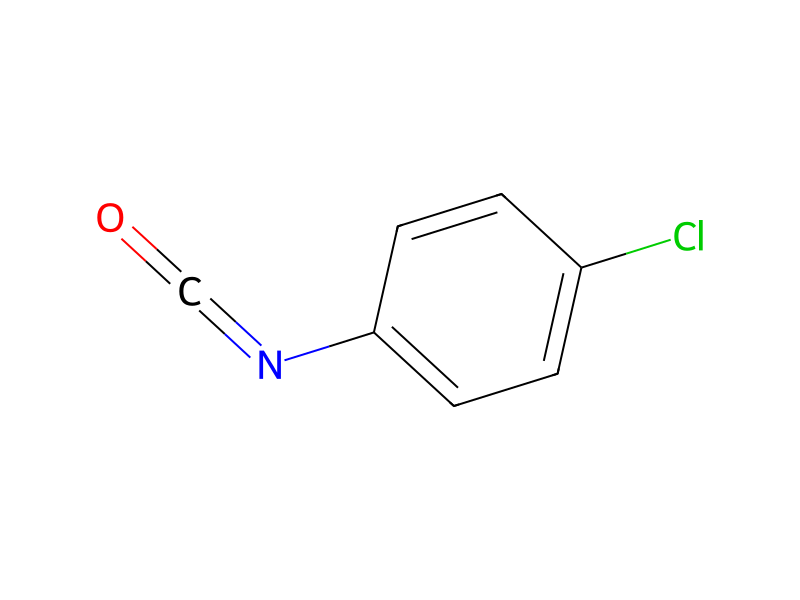



실험 절차
Equimolar amounts of 1,3-dihydro-1-methyl-3(RS)-amino-5-phenyl-2H-1,4-benzodiazepin-2-one and 4-chlorophenyl isocyanate were mixed in 8 ml of dry tetrahydrofuran at room temperature. The reaction mixture was allowed to stand for 8 hours and was then filtered. The collected solids were washed with tetrahydrofuran and dried in vacuo over P2O5 to give the analytical product.