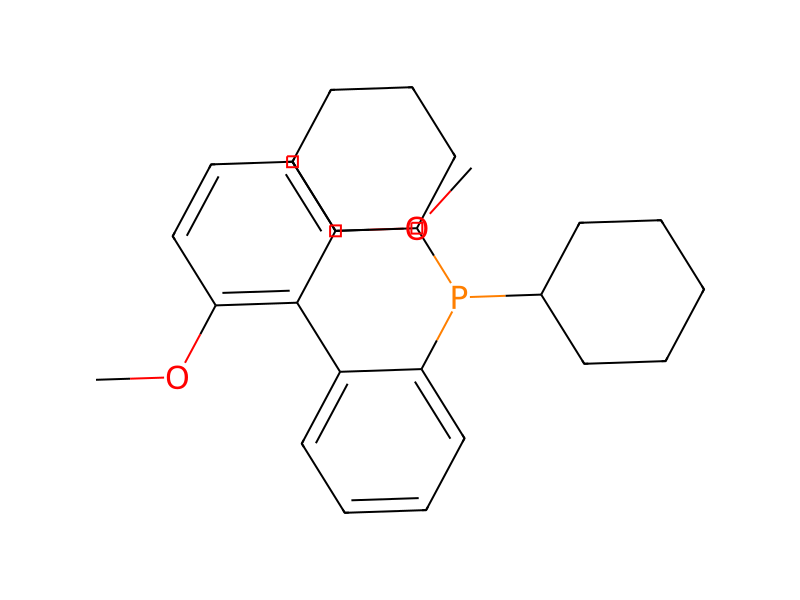
To a mixture of 4-bromo-m-xylene (30 mg, 0.16 mmol, containing 2-bromo-m-xylene) and 1,4-dioxane (2 ml) were added water (0.2 ml), cesium carbonate (0.16 mg, 0.49 mmol), potassium (2-methoxyethoxymethyl) trifluoroborate (64 mg 0.32 mmol), palladium (II) acetate (3.6 mg, 0.016 mmol) and 2-dicyclohexylphosphino-2′,6′-dimethoxybiphenyl (13 mg, 0.032 mmol). Then, the reaction mixture was stirred at 100° C. (external temperature) for 12 hours. After the reaction mixture was allowed to cool at room temperature, to the reaction mixture was added water and hexane. The organic layer was washed with an aqueous saturated sodium chloride solution, and the organic layer was separated. After the organic layer was dried with anhydrous sodium sulfate, the solvent was distilled off under reduced pressure. The residue was purified by thin layer chromatography (hexane 100%) to obtain the title compound (32 mg, 0.16 mmol, 71%) as a mixture of 2-(2,6-dimethylbenzyloxy)ethyl methyl ether derived from 2-bromo-m-xylene contained in a raw material.