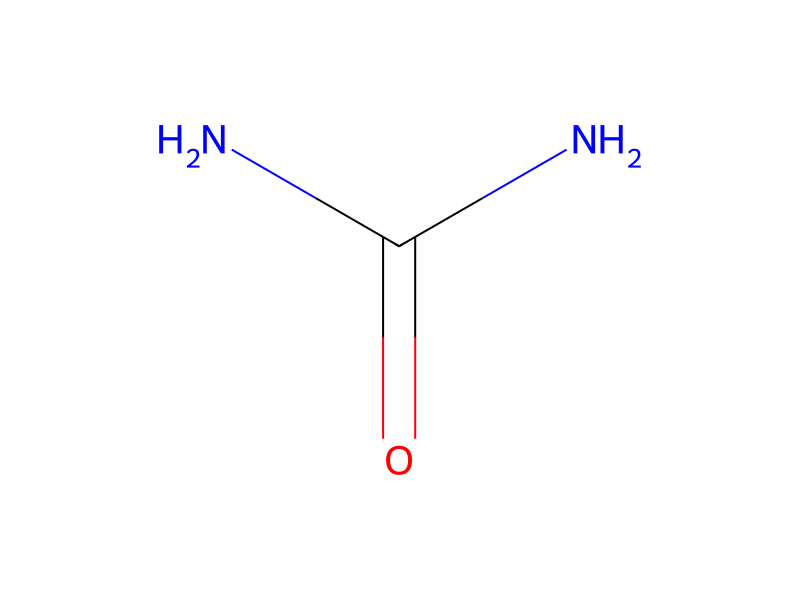
4-Chloro-2-fluoro-5-hydroxyaniline (32.5 g) was added to conc. hydrochloric acid (300 ml), and a solution of sodium nitrite (15.2 g) in water (20 ml) was added thereto at 0° to -5° C. The resultant mixture was stirred at 0 to 5° C. for 30 minutes, and urea was added thereto to remove excessive nitrite ion, followed by cooling to -30° C. A solution of stannous chloride (92 g) in hydrochloric acid (160 ml) was added thereto, and the mixture was stirred at 0° to -10° C. for 3 hours. The reaction mixture was filtered, and the precipitated crystals were dissolved in water, neutralized with sodium hydroxide and extracted with ethyl acetate. The organic layer was washed with water, dried and concentrated. The residue was treated with ether to give 4-chloro-2-fluoro-5-hydroxyphenylhydrazine (8.4 g) as crystals. The crystals were added to a solution of 2-hydroxyiminocyclohexanone morpholinoenamine (9.35 g), ethanol (90 ml) and a catalytic amount of acetic acid and heated under reflux for 3 hours. After cooling, ethanol was removed by evaporation, and water was added to the residue, followed by extraction with ethyl acetate. The extract was dried and concentrated, and the residue was purified by silica gel chromatography using a mixture of ethyl acetate and n-hexane as an eluent to give 2-(4-chloro-2-fluoro-5-hydroxyphenyl)hydrazonocyclohexanone oxime (8 g) as crystals. The crystals were suspended in a mixture of tetrahydrofuran (50 ml) and 15% pyridine-water (112 ml). A solution of cupric sulfate (CuSO4.5H2O) (11.2 g) in water (40 ml) was added to the suspension, which was heated under reflux for an additional 2 hours. After cooling, water was added to the mixture, which was then extracted with ethyl acetate. The organic layer was washed with an aqueous solution of cupric sulfate, dried and concentrated. The residue was purified by silica gel chromatography using a mixture of ethyl acetate and n-hexane as an eluent to give 2-(4-chloro-2-fluoro-5-hydroxyphenyl)-4,5,6,7-tetrahydro-1,2,3-benzotriazol-1-oxide (4 g) as crystals. M.P., 220°-221° C. (decomp.).