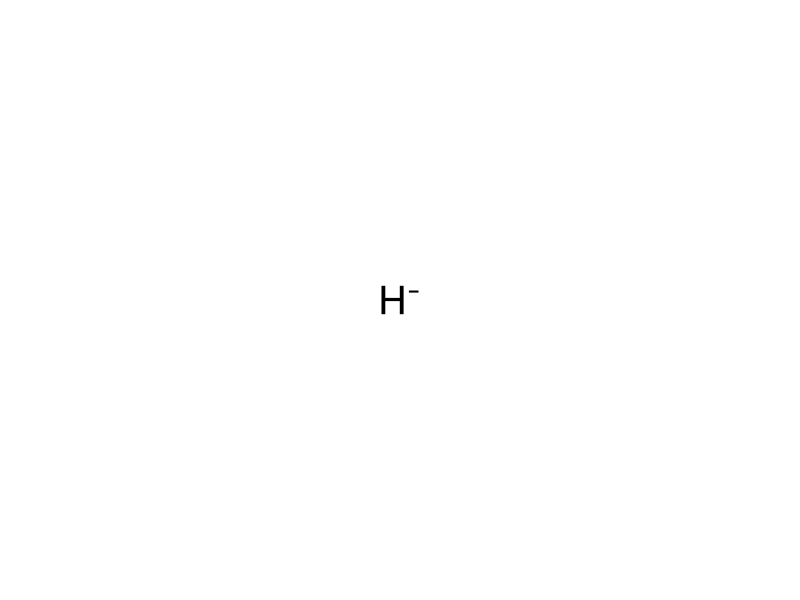
[Cl:1][C:2]1[CH:7]=[CH:6][C:5]([C:8]([F:11])([F:10])[F:9])=[CH:4][C:3]=1[C:12]12[C:17](=O)[NH:16][C:15](=O)[CH:14]1[CH2:13]2.[H-].COCCO[Al+]OCCOC.[Na+].[H-].[H-].[OH-].[Na+]>C1C=CC=CC=1.CCOCC>[ClH:1].[Cl:1][C:2]1[CH:7]=[CH:6][C:5]([C:8]([F:11])([F:10])[F:9])=[CH:4][C:3]=1[C:12]12[CH2:13][CH:14]1[CH2:15][NH:16][CH2:17]2To a solution of 0.28 g of 1-(4-chloro-α,α,α-trifluoro-m-tolyl)cyclopropanedicarboximide in 10 ml of benzene is added 1.0 ml of sodium bis(2-methoxyethoxy)aluminum hydride (70% benzene solution). This is refluxed for one hour, cooled to ambient temperature, and the excess hydride reagent is decomposed with one ml of 10N sodium hydroxide. The benzene layer is washed with water, dried over magnesium sulfate and evaporated under reduced pressure to give an amber-colored oil. This is dissolved in ether and dry hydrogen chloride is bubbled into the solution. The resultant precipitate is collected by filtration and recrystallized from isopropyl alcohol to give 1-(4-chloro-α,α,α-trifluoro-m-tolyl)-3-azabicyclo[3.1.0]hexane hydrochloride. Purification of the hydrochloride by recrystallization from acetonitrile gives colorless crystals, m.p. 164°-166° C.