Triphenylphosphine → (S)-2-methyl-7-morpholin-4-yl-1-[2-(4-morpholin-4-yl-phenyl)ethyl]-2-trifluoromethyl-2,3-dihydro-1H-imidazo[1,2-a]pyrimidin-5-one
HRID 72373
반응식

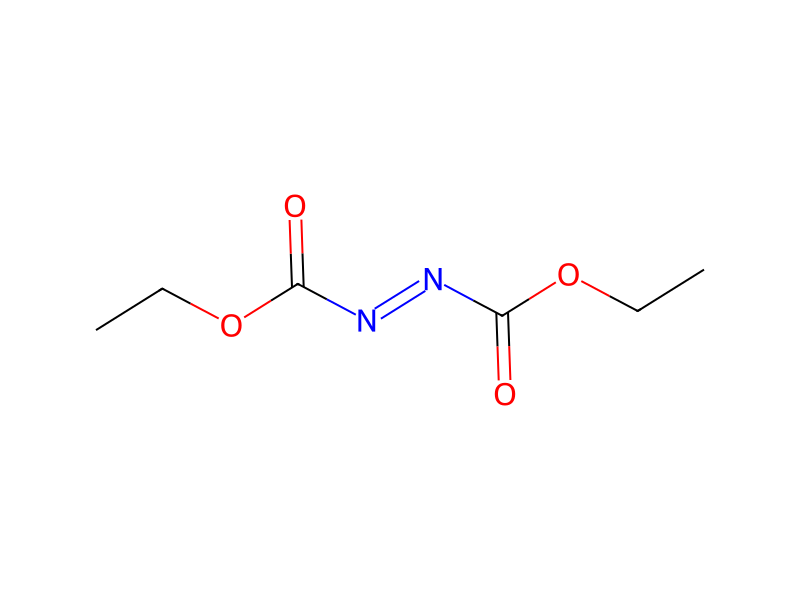
[O:1]1[CH2:6][CH2:5][N:4]([C:7]2[CH:12]=[CH:11][C:10]([CH2:13][CH2:14]O)=[CH:9][CH:8]=2)[CH2:3][CH2:2]1.C1(P(C2C=CC=CC=2)C2C=CC=CC=2)C=CC=CC=1.[CH3:35][C@@:36]1([C:52]([F:55])([F:54])[F:53])[CH2:51][N:39]2[C:40](=[O:50])[CH:41]=[C:42]([N:44]3[CH2:49][CH2:48][O:47][CH2:46][CH2:45]3)[N:43]=[C:38]2[NH:37]1.N(C(OCC)=O)=NC(OCC)=O>O1CCCC1>[CH3:35][C@@:36]1([C:52]([F:55])([F:53])[F:54])[CH2:51][N:39]2[C:40](=[O:50])[CH:41]=[C:42]([N:44]3[CH2:45][CH2:46][O:47][CH2:48][CH2:49]3)[N:43]=[C:38]2[N:37]1[CH2:14][CH2:13][C:10]1[CH:9]=[CH:8][C:7]([N:4]2[CH2:3][CH2:2][O:1][CH2:6][CH2:5]2)=[CH:12][CH:11]=1참가 물질
6