홈MCP워크벤치Skills
홈워크벤치알림마이페이지
llms.txt · MCP 가이드개인정보처리방침 · 이용약관 · 지원v1.8.0
  1. 홈
  2. /반응

Sodium Chloride → 4-(2-(4-Isopropylpiperazin-1-yl)ethoxy)pyridin-2-amine

HRID 79246
노트
인쇄 미리보기

반응식

HRID 79246 반응식
[H-].[Na+].[CH:3]([N:6]1[CH2:11][CH2:10][N:9]([CH2:12][CH2:13][OH:14])[CH2:8][CH2:7]1)([CH3:5])[CH3:4].Cl[C:16]1[CH:21]=[CH:20][N:19]=[C:18]([NH2:22])[CH:17]=1.[Cl-].[Na+]>COCCOCCOC.CCCCCC.CCOCC.C1COCC1.O>[CH:3]([N:6]1[CH2:7][CH2:8][N:9]([CH2:12][CH2:13][O:14][C:16]2[CH:21]=[CH:20][N:19]=[C:18]([NH2:22])[CH:17]=2)[CH2:10][CH2:11]1)([CH3:5])[CH3:4]
참가 물질반응 조건실험 절차후처리출처 및 근거반응 노트

참가 물질

10

반응물 4

HCID 5234Sodium ChlorideHCID 24758Sodium hydrideHCID 5818662-Amino-4-chloropyridineHCID 47396302-(4-Isopropylpiperazin-1-yl)ethanol

생성물 1

HCID 672537214-(2-(4-Isopropylpiperazin-1-yl)ethoxy)pyridin-2-amine수율 41.5%

시약·촉매·용매 5

HCID 962Water
용매
HCID 3283Diethyl Ether용매
HCID 8028Tetrahydrofuran용매
HCID 8058Hexane용매
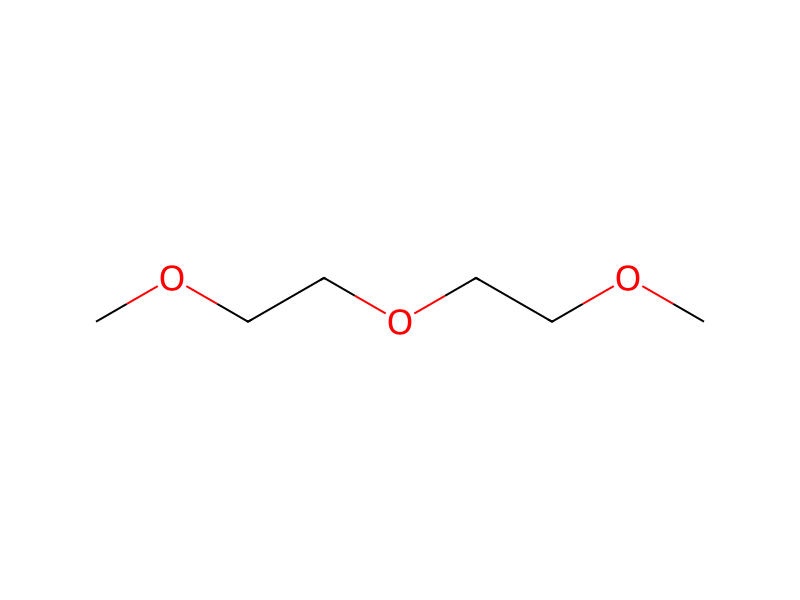
HCID 8150Diglyme용매2회

반응 조건

온도
40 °C

실험 절차

Sodium hydride (60% in mineral oil; 21.00 g; 525 mmol) was added to a 4-neck (2 L) flask under nitrogen with mechanical stirrer, condenser, thermocouple and addition funnel attached. Dry diglyme (450 mL) was added. A solution of 2-(4-isopropylpiperazin-1-yl)ethanol (90.45 g; 525 mmol) in diglyme (150 mL) was added slowly with stirring. The temperature was slowly increased to 40° C. until effervescence had ceased. The mixture was allowed to cool and 4-chloropyridin-2-amine (45.00 g; 350 mmol) was added. The mixture was heated at 157° C. for 16 hours and allowed to cool. Water (300 mL) was added followed by THF (750 mL). Sodium chloride was added (sufficient to saturate the aqueous phase). The phases were separated and the aqueous phase was further extracted with THF (3×600 mL). The combined organic phases were dried with sodium sulfate (600 g) for 16 hours and then filtered. The solvent was removed under vacuum (8 mm Hg, bath temperature at 60° C., to remove the diglyme). The residue was dissolved in THF (1000 mL) and filtered (Celite) to remove some fine particulates. The solvent was removed under vacuum to give a pale brown oil. The material was placed under high vacuum. A solid slowly formed (about 130 g). Ether (200 mL) was added and the material was physically broken up. Hexane (about 200 mL) was added, and the resulting solids were mechanically stirred to break them up. The solids were collected by filtration and washed (hexane/ether 1:1). The material was dried under vacuum to give the desired product (38.4 g) as a cream colored solid.


후처리

  1. additionthermocouple and addition funnel
  2. temperatureto cool
  3. temperatureThe mixture was heated at 157° C. for 16 hours
  4. temperatureto cool
  5. concentrationto saturate the aqueous phase)
  6. customThe phases were separated
  7. extractionthe aqueous phase was further extracted with THF (3×600 mL)
  8. dry with materialThe combined organic phases were dried with sodium sulfate (600 g) for 16 hours
  9. filtrationfiltered
  10. customThe solvent was removed under vacuum (8 mm Hg, bath temperature at 60° C.
  11. customto remove the diglyme)
  12. dissolutionThe residue was dissolved in THF (1000 mL)
  13. filtrationfiltered (Celite)
  14. customto remove some fine particulates
  15. customThe solvent was removed under vacuum
  16. customto give a pale brown oil
  17. customA solid slowly formed (about 130 g)
  18. stirringthe resulting solids were mechanically stirred
  19. filtrationThe solids were collected by filtration
  20. washwashed (hexane/ether 1:1)
  21. customThe material was dried under vacuum

출처 및 근거

ORD 기록
ord-d6065402eeb748899f1e6cf8d1d7b702
출처 데이터셋
uspto-grants-2014_09
DOI
10.6084/m9.figshare.5104873.v1
특허 번호
US08841455B2

반응 노트

불러오는 중…

이 페이지에서참가 물질반응 조건실험 절차후처리출처 및 근거반응 노트