Ethyl Acetate → HCID 178473725, 화합물
HRID 849425
반응식

Cl.Cl.Cl.[NH:4]1[CH:8]=[C:7]([CH2:9][N:10]2[C:16]3[CH:17]=[CH:18][C:19]([C:21]4[CH:22]=N[CH:24]=[CH:25][CH:26]=4)=[CH:20][C:15]=3[CH2:14][N:13]([C:27](=[O:32])[C:28](F)(F)F)[CH:12]([CH2:33][C:34]3[CH:39]=[CH:38][CH:37]=[CH:36][CH:35]=3)[CH2:11]2)[N:6]=[CH:5]1.[Sn](Cl)[Cl:41].[C:43](OCC)(=O)C>>[ClH:41].[C:27]([N:13]1[CH2:14][C:15]2[CH:20]=[C:19]([C:21]3[CH:22]=[CH:43][CH:24]=[CH:25][CH:26]=3)[CH:18]=[CH:17][C:16]=2[N:10]([CH2:9][C:7]2[N:6]=[CH:5][NH:4][CH:8]=2)[CH2:11][C@H:12]1[CH2:33][C:34]1[CH:35]=[CH:36][CH:37]=[CH:38][CH:39]=1)(=[O:32])[CH3:28]참가 물질
4

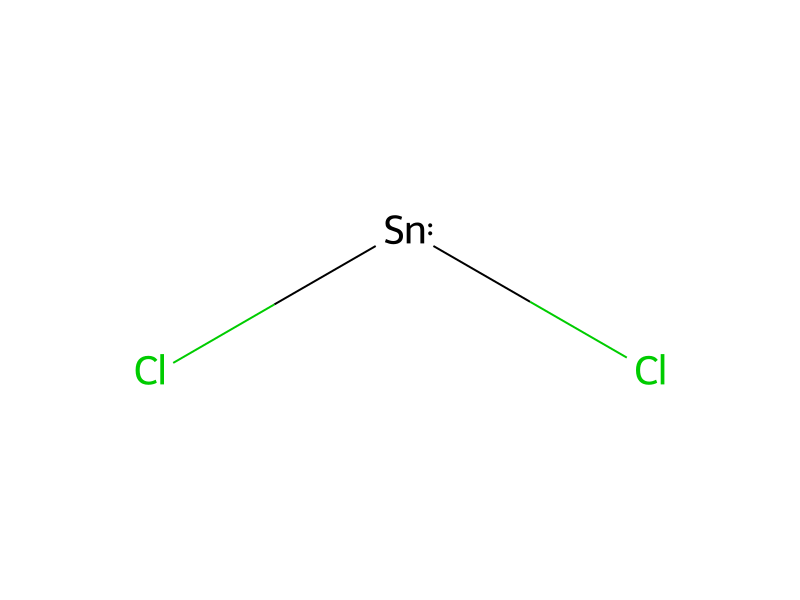


실험 절차
A mixture of Compound B (660 mg, 1.68 mmol), tin (II) chloride (1.52 g, 6.7 mmol) and ethyl acetate (75 mL) was stirred at room temperature for 18 hours and quenched with aqueous and then solid potassium carbonate (5 mL, then 5 gms). The mixture was filtered, the filtrate partitioned and the organic phase dried (MgSO4), concentrated in vacuum, and purified using flash chromatography (3:1 hexane:ethyl acetate) to provide Compound C (315 mg, 52%) as a clear oil.