Calcium Chloride → 6-Amino-1-methyl-2-(((1-propylimidazol-5-yl)methyl)sulfanyl)benzimidazole
HRID 856798
반응식

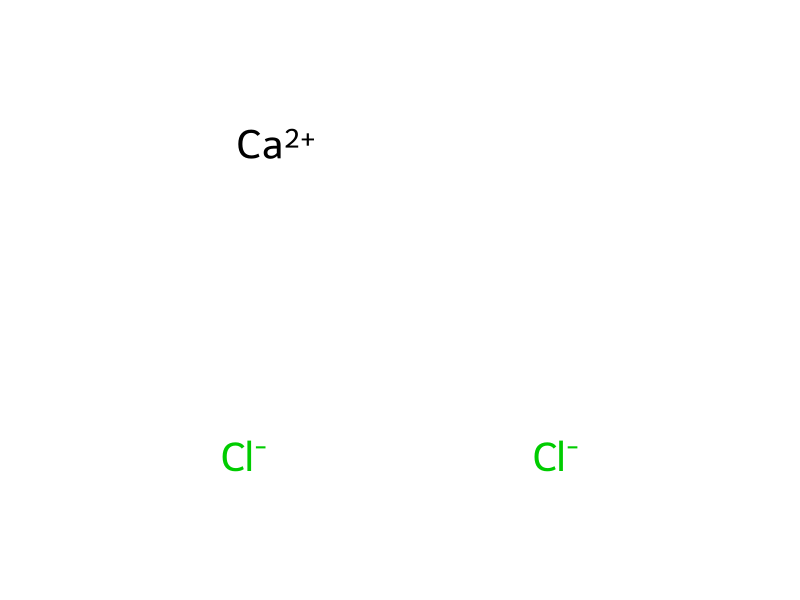
[CH3:1][N:2]1[C:6]2[CH:7]=[C:8]([N+:11]([O-])=O)[CH:9]=[CH:10][C:5]=2[N:4]=[C:3]1[S:14][CH2:15][C:16]1[N:20]([CH2:21][CH2:22][CH3:23])[CH:19]=[N:18][CH:17]=1.[Cl-].[Ca+2].[Cl-]>C(O)C>[NH2:11][C:8]1[CH:9]=[CH:10][C:5]2[N:4]=[C:3]([S:14][CH2:15][C:16]3[N:20]([CH2:21][CH2:22][CH3:23])[CH:19]=[N:18][CH:17]=3)[N:2]([CH3:1])[C:6]=2[CH:7]=1참가 물질
4



실험 절차
An aqueous solution of 1-methyl-6-nitro-2-(((1-propylimidazol-5-yl)methyl)sulfanyl)benzimidazole (230 mg), reduced iron (194 mg) and anhydrous calcium chloride (38.5 mg) in 85% ethanol (10 ml) was stirred for 1 day under nitrogen atmosphere at 105° C. The mixture was allowed to be at room temperature, the insolubles were filtered off, water was added to the mixture, and the mixture was extracted with ethyl acetate. The organic layer was washed with saturated brine and dried over magnesium sulfate, and the solvent was distilled off under reduced pressure. The obtained residue was purified by basic silica gel column chromatography (ethyl acetate) to give 6-amino-1-methyl-2-(((1-propylimidazol-5-yl)methyl)sulfanyl)benzimidazole (170 mg) as colorless oil.