Acetate → 4-t-Butylazo-4-methoxypentyl chloroformate
반응식

[C:1]1([OH:7])C=CC=CC=1.[OH-].[K+].[C:10]([O:13][CH2:14][CH2:15][CH2:16][C:17]([N:20]=[N:21][C:22]([CH3:25])([CH3:24])[CH3:23])(Cl)[CH3:18])(=[O:12])C.C([O-])(=O)C.C[O-].[Cl:32]C([O-])=O.C(Cl)(Cl)=O>CCCCC.N1C=CC=CC=1.CO>[Cl:32][C:10]([O:13][CH2:14][CH2:15][CH2:16][C:17]([N:20]=[N:21][C:22]([CH3:25])([CH3:24])[CH3:23])([O:7][CH3:1])[CH3:18])=[O:12]참가 물질
11
반응물 7
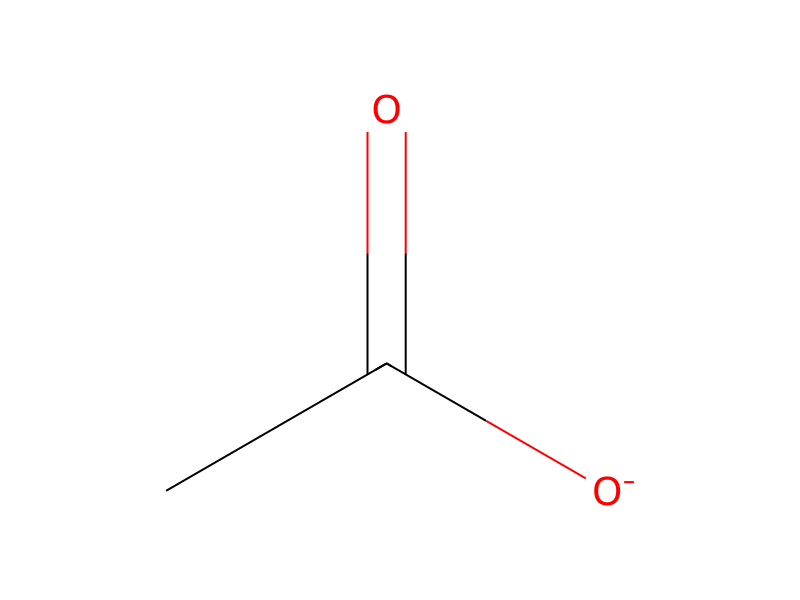





생성물 1

시약·촉매·용매 3



실험 절차
This compound was prepared in the same manner as the 4-phenoxy derivative described in Example XXIX except that phenol was not added to the methanolic solution of KOH before the 4-t-butylazo-4-chloropentyl acetate was added in step C. The acetate was saponified to the alcohol by addition of excess base to the methanol after the reaction of the chloro compound and the methoxide was complete. The alcohol was then converted to the chloroformate by adding a pentane solution of the alcohol and pyridine to a pentane solution of phosgene as in step D of Example XXIX. The infrared spectrum confirmed that the alcohol was converted to the chloroformate.
후처리
- additionwas added in step C
출처 및 근거
- ORD 기록
- ord-0536140b539f4f48ab2927583dd906c5
- 출처 데이터셋
- uspto-grants-1978_07
- 특허 번호
- US04101522
반응 노트
불러오는 중…