Pivaloyl chloride → Methyl 2-chloro-5-(pivalamidomethyl)benzoate
HRID 889539
반응식

Cl.[NH2:2][CH2:3][C:4]1[CH:5]=[CH:6][C:7]([Cl:14])=[C:8]([CH:13]=1)[C:9]([O:11][CH3:12])=[O:10].C(N(CC)C(C)C)(C)C.[C:24](Cl)(=[O:29])[C:25]([CH3:28])([CH3:27])[CH3:26]>ClCCl>[Cl:14][C:7]1[CH:6]=[CH:5][C:4]([CH2:3][NH:2][C:24](=[O:29])[C:25]([CH3:28])([CH3:27])[CH3:26])=[CH:13][C:8]=1[C:9]([O:11][CH3:12])=[O:10]참가 물질
5
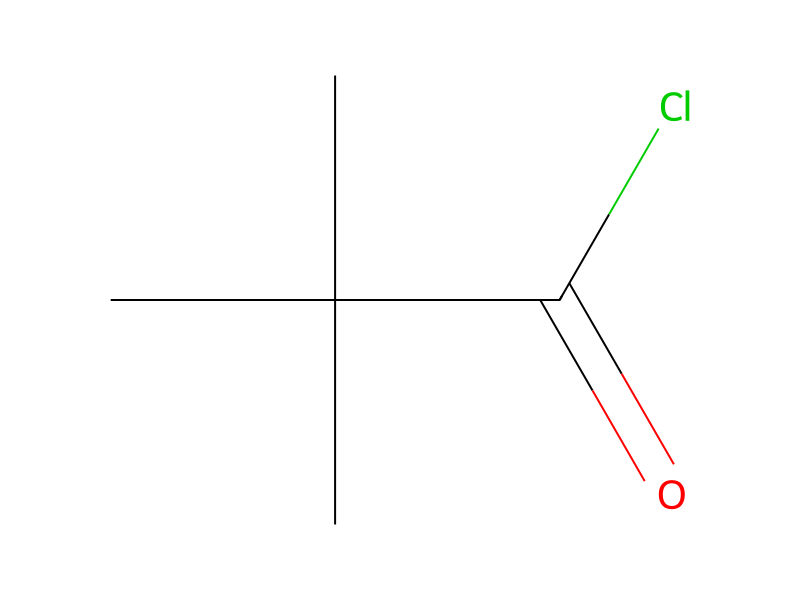




실험 절차
To a thermally controlled reactor, add methyl 5-(aminomethyl)-2-chlorobenzoate hydrochloride (700 g, 3.51 mol, 1.0 equiv), dichloromethane (4.9 L), and N,N-diisopropylethylamine (1.71 L, 9.82 mol, 2.8 equiv). Add pivaloyl chloride (515 mL, 4.21 mol, 1.2 equiv) dropwise at such a rate that the internal temperature does not exceed 21° C. Upon completion of the addition, stir the reaction mixture at room temperature for one hour. Quench the reaction mixture with saturated aqueous sodium bicarbonate (10 L). Extract the mixture with dichloromethane (2×1 L), combine the organic extracts, dry over sodium sulfate, filter, and concentrate under reduced pressure to give an oil, (1.1 kg) carried on crude without further purification. MS (m/z) (35Cl/37Cl) 284/286 (M+1)