반응식

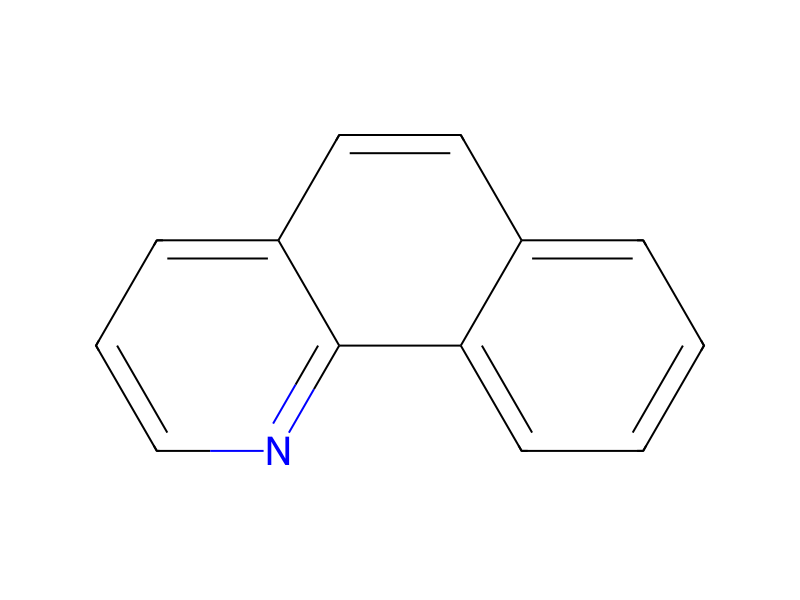
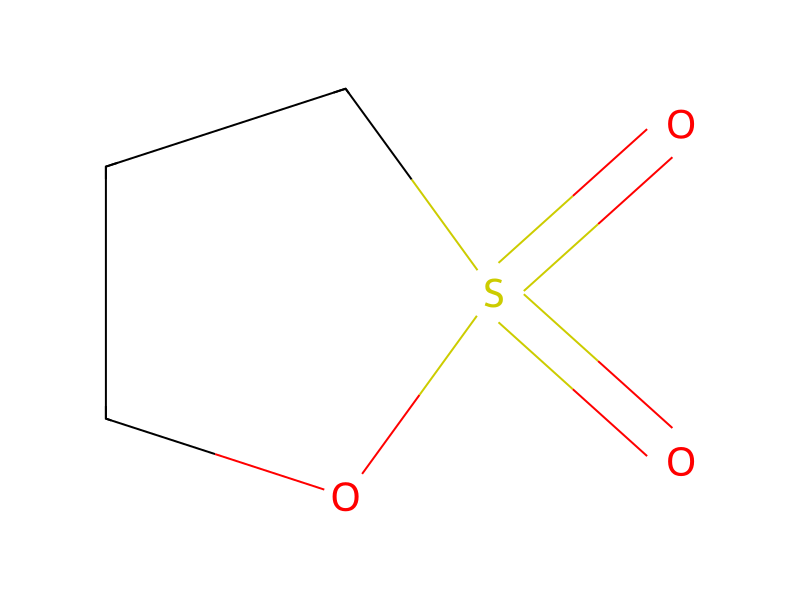
C[N:2]1[C:11]2[C:6](=[CH:7][CH:8]=[C:9]3[CH:15]=[CH:14][CH:13]=[CH:12][C:10]3=2)[CH:5]=[CH:4][CH:3]1[OH:16].[N:17]1[C:26]2[C:21](=[CH:22][CH:23]=[C:24]3[CH:30]=[CH:29][CH:28]=[CH:27][C:25]3=2)[CH:20]=[CH:19][CH:18]=1.[CH2:31]1[CH2:37][S:34](=[O:36])(=[O:35])[O:33][CH2:32]1.CI>>[N:2]1[C:11]2[C:6](=[CH:7][CH:8]=[C:9]3[CH:15]=[CH:14][CH:13]=[CH:12][C:10]3=2)[CH:5]=[CH:4][CH:3]=1.[CH3:3][O:16][C:22]1[CH:23]=[C:24]2[CH:30]=[CH:29][CH:28]=[CH:27][C:25]2=[C:26]2[C:21]=1[CH:20]=[CH:19][CH2:18][N:17]2[CH2:32][CH2:31][CH2:37][S:34]([OH:33])(=[O:36])=[O:35]참가 물질



실험 절차
Compound 13 was synthesized according to the procedure outlined above in Example 3 for the synthesis of the N-methyl-hydroxybenzoquinoline derivative 15. Compound 13 was then alkylated according to the general amino group alkylation procedure described above in Example 3, this time using 1,3-propane sultone as the alkylating agent rather than MeI, to give a 5-methoxybenzoquinoline-N-propanesulfonic acid intermediate 16 (1HNMR: CD3OD d 7.94 (d, 1 H, J=8.7 Hz), 7.65 (d, 1 H, J=8.4 Hz), 7.32 (t, 1 H), 7.27 (t, 1 H), 6.85 (s, 1 H), 4.89 (s, 3 H), 3.20 (m, 2 H), 3.08 (bt, 2 H, J=6 Hz), 2.91 (m, 2 H), 2.72 (t, 2 H, J=6.6 Hz), 2.33 (m, 2 H), 1.89 (m, 2 H). Subsequent methoxy group deprotection of compound 16 by the general boron tribromide procedure described above in Example 1 resulted in the 3-(5-hydroxybenzoquinolin-1-yl) propanesulfonic acid 17.
출처 및 근거
- ORD 기록
- ord-3fd329522fe040bda5e459761e06f2ae
- 출처 데이터셋
- uspto-grants-2005_07
- 특허 번호
- US06919445B2
연결된 노트
불러오는 중…