Potassium tert-butoxide → (S)-2'-bromo-7'-iodospiro[morpholine-3,9'-xanthen]-5-one
반응식

[Br:1][C:2]1[CH:15]=[CH:14][C:13]2[O:12][C:11]3[C:6](=[CH:7][C:8]([I:16])=[CH:9][CH:10]=3)[C@:5]([NH:19][C:20](=[O:23])[CH2:21]Cl)([CH2:17][OH:18])[C:4]=2[CH:3]=1.CC(C)([O-])C.[K+]>C(O)(CC)(C)C>[Br:1][C:2]1[CH:15]=[CH:14][C:13]2[O:12][C:11]3[C:6](=[CH:7][C:8]([I:16])=[CH:9][CH:10]=3)[C@:5]3([CH2:17][O:18][CH2:21][C:20](=[O:23])[NH:19]3)[C:4]=2[CH:3]=1참가 물질
4



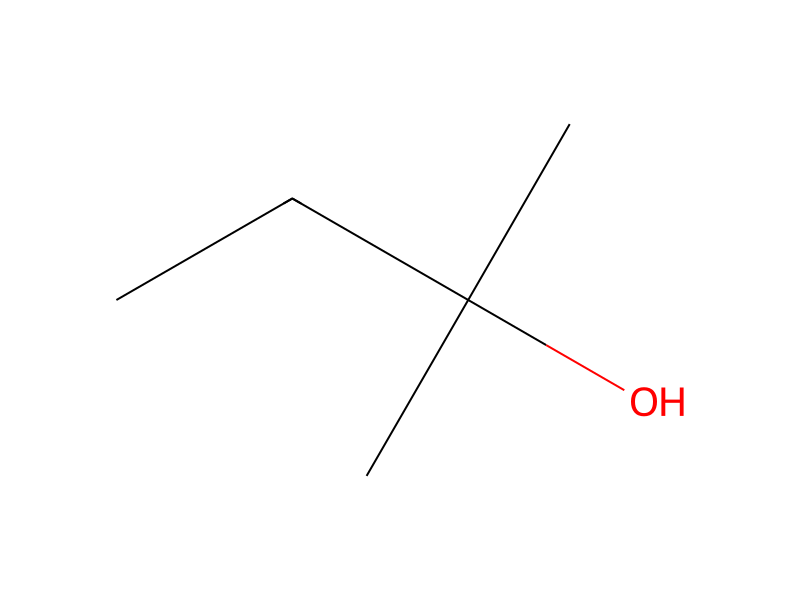
실험 절차
In a 500-mL flask (S)—N-(2-bromo-9-(hydroxymethyl)-7-iodo-9H-xanthen-9-yl)-2-chloroacetamide (4.52 g, 8.89 mmol) was dissolved in t-amyl alcohol (125 mL). Potassium t-butoxide (2.244 g, 20.00 mmol) was added. After 14 h, the reaction was concentrated. The residue was taken up in dilute aqueous NH4Cl (50 mL) and the aqueous phase was extracted with 5% MeOH-DCM (3×133 mL). The organics were combined, washed with dilute brine (25 mL), dried over sodium sulfate and concentrated. The material was purified through silica gel (500 mL) using 30% EtOAc-hexane to afford (S)-2′-bromo-7′-iodospiro[morpholine-3,9′-xanthen]-5-one (1.92 g, 4.07 mmol).