Ethanol → 5-(4,5-dihydrothiazol-5-yl)-3-(1-methyl-1,2,3,6-tetrahydropyridin-4-yl)-1H-indole
Reaction equation

C([C:3]1[CH:4]=[C:5]2[C:9](=[CH:10][CH:11]=1)[NH:8][CH:7]=[C:6]2[C:12]1[CH2:13][CH2:14][N:15]([CH3:18])[CH2:16][CH:17]=1)#N.[SH:19][CH2:20][CH2:21][NH2:22].[CH2:23](O)C>>[S:19]1[CH:20]([C:3]2[CH:4]=[C:5]3[C:9](=[CH:10][CH:11]=2)[NH:8][CH:7]=[C:6]3[C:12]2[CH2:13][CH2:14][N:15]([CH3:18])[CH2:16][CH:17]=2)[CH2:21][N:22]=[CH:23]1Participants
4



Procedure
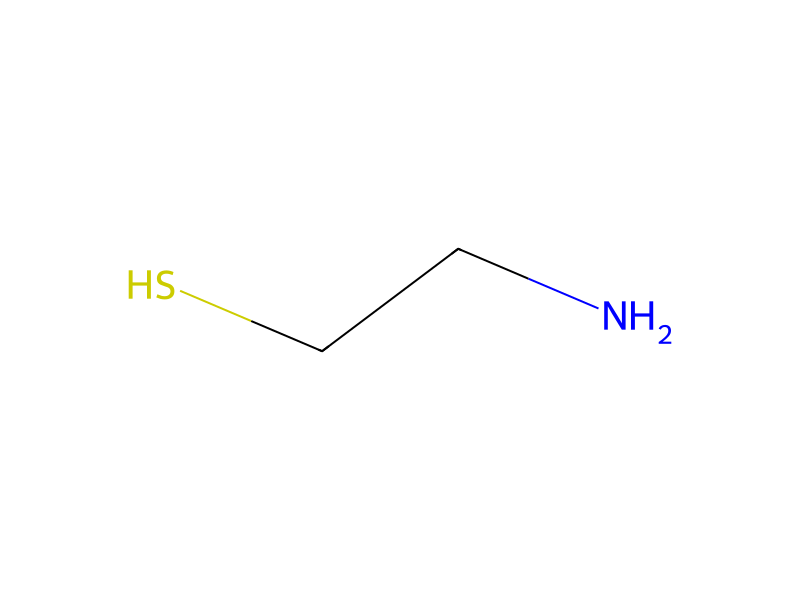
A mixture of 1.0 gm (4.2 mMol) 5-cyano-3-(1-methyl-1,2,3,6-tetrahydropyridin-4-yl)-1H-indole and 0.90 gm (11.7 mMol) 2-mercaptoethylamine in 20 mL ethanol was heated to reflux for 18 hours. The reaction mixture was cooled to room temperature and a colorless crystalline solid formed. The solid was isolated by filtration, washed with ethanol and dried under reduced pressure to provide 0.64 gm (51%) of the title compound.
Workup
- temperaturewas heated
- temperatureto reflux for 18 hours
- customa colorless crystalline solid formed
- customThe solid was isolated by filtration
- washwashed with ethanol
- customdried under reduced pressure
Sources & evidence
- ORD record
- ord-e52a4bc462944199835d2ce544719e0e
- Source dataset
- uspto-grants-2000_04
- Patent number
- US06046215
Reaction notes
Loading…