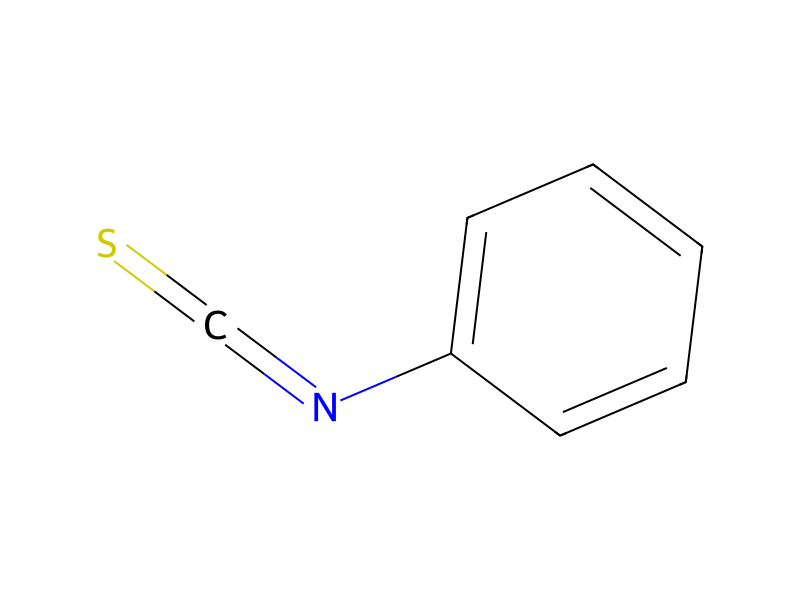
Phenyl Isothiocyanate → HCID 54171942, compound
Reaction equation

[N:1]12[CH2:8][CH2:7][CH:4]([CH2:5][CH2:6]1)[CH:3]([OH:9])[CH2:2]2.[C:10]1([N:16]=[C:17]=[S:18])[CH:15]=[CH:14][CH:13]=[CH:12][CH:11]=1>C(OCC)(=O)C.CCOCC>[N:1]12[CH2:8][CH2:7][CH:4]([CH2:5][CH2:6]1)[CH:3]([O:9][C:17](=[S:18])[NH:16][C:10]1[CH:15]=[CH:14][CH:13]=[CH:12][CH:11]=1)[CH2:2]2Participants
Reactant 2

Product 1

Reagents, catalysts & solvents 1

Procedure
3-Quinuclidinol and phenyl isothiocyanate were used. The reaction solution was heated at reflux under nitrogen for 6 days. The reaction solution was chromatographed using silica gel and elution with 10% methanol in methylene chloride followed by a solution of methylene chloride/methanol/ammonium hydroxide (9:1:0.1) to afford a white foam. This foam was dissolved in ethyl acetate/ether (1:9, 10 mL/g of foam), and the resulting cloudy solution was filtered through diatomaceous earth. The resultant filtrate was evaporated under reduced pressure, and the residual foam was crystallized from ethyl acetate/hexanes (1:3) to afford the title compound (29%) as a white solid: mp 132.0-133.0° C.; FAB LRMS m /z (relative intensity, %) 263 (MH+, 14), 110 (100).
Workup
- temperatureThe reaction solution was heated
- temperatureat reflux under nitrogen for 6 days
- customThe reaction solution was chromatographed
- washsilica gel and elution with 10% methanol in methylene chloride
- customto afford a white foam
- filtrationthe resulting cloudy solution was filtered through diatomaceous earth
- customThe resultant filtrate was evaporated under reduced pressure
- customthe residual foam was crystallized from ethyl acetate/hexanes (1:3)
Sources & evidence
- ORD record
- ord-ee181c607f234eb3ac1e50549ae1278b
- Source dataset
- uspto-grants-2000_04
- Patent number
- US06054464
Reaction notes
Loading…