Benzoic Acid → 2-Phenylbenzimidazole-5-sulfonic acid
Reaction equation

[S:1](=[O:5])(=O)([OH:3])[OH:2].[NH2:6][C:7]1[CH:12]=[CH:11][CH:10]=[CH:9][C:8]=1[NH2:13].[C:14](O)(=O)[C:15]1[CH:20]=[CH:19][CH:18]=[CH:17][CH:16]=1>>[C:15]1([C:14]2[NH:6][C:7]3[CH:12]=[C:11]([S:1]([OH:3])(=[O:5])=[O:2])[CH:10]=[CH:9][C:8]=3[N:13]=2)[CH:20]=[CH:19][CH:18]=[CH:17][CH:16]=1Participants
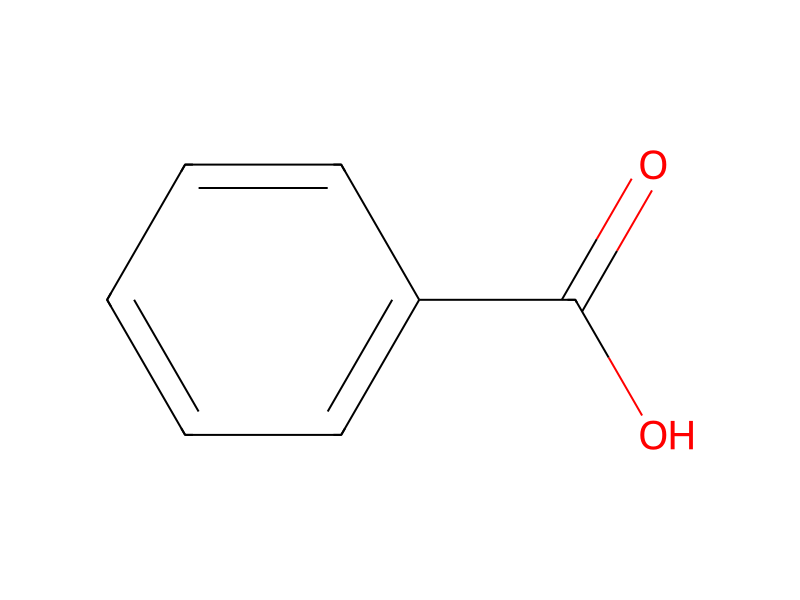

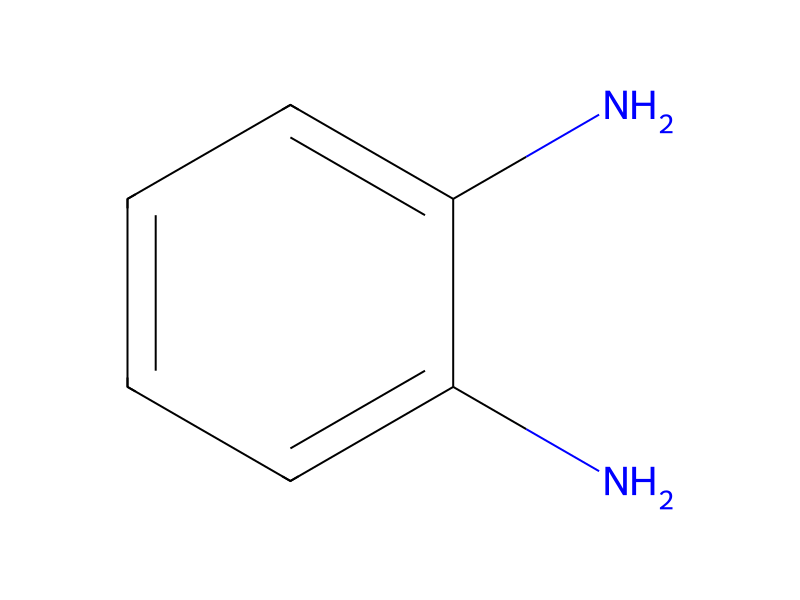

Conditions
- Temperature
- 200 °C
Procedure
Without intermediate isolation which (apart from starting materials and secondary products) can, as in this case, still comprise large amounts of sulphuric acid, it is not always possible to further process crude reaction solutions. This often leads to the formation of contaminated products and/or to poor yields in the subsequent stage. This is described in the example in EP-A 4 203 072, wherein a mixture of 1,2-diaminobenzene, benzoic acid and 96% strength sulphuric acid is mixed and heated to 200° C. In the subject process, 2-phenylbenzimidazole-5-sulphonic acid is obtained as the secondary product in a yield of 49% of theory. The product is isolated in a yield of 60%, with the process carried out in 86% strength sulphuric acid at 178°.
Workup
- customreaction solutions
- customto poor yields in the subsequent stage
- additionis mixed
Sources & evidence
- ORD record
- ord-6bcffdb18749453e9424115e44a9f50a
- Source dataset
- uspto-grants-2004_09
- Patent number
- US06787666B2
Reaction notes
Loading…