Ethyl bromopyruvate → HCID 59384155, compound
Reaction equation

[CH2:1]([O:3][C:4]1[CH:5]=[C:6]([N:10]2[CH:14]=[C:13]([C:15]([O-:17])=[O:16])[N:12]=[C:11]2[C:18]2[CH:23]=[CH:22][C:21]([CH3:24])=[CH:20][C:19]=2[F:25])[CH:7]=[CH:8][CH:9]=1)[CH3:2].C(OC1C=C(NC(C2C=CC(C)=CC=2F)=N)C=CC=1)C.C(=O)(O)[O-].[Na+].BrCC(=O)C(OCC)=O>O1CCOCC1>[CH2:1]([O:3][C:4]1[CH:5]=[C:6]([N:10]2[CH:14]=[C:13]([C:15]([OH:17])=[O:16])[N:12]=[C:11]2[C:18]2[CH:23]=[CH:22][C:21]([CH3:24])=[CH:20][C:19]=2[F:25])[CH:7]=[CH:8][CH:9]=1)[CH3:2]Participants
6
Reactant 4
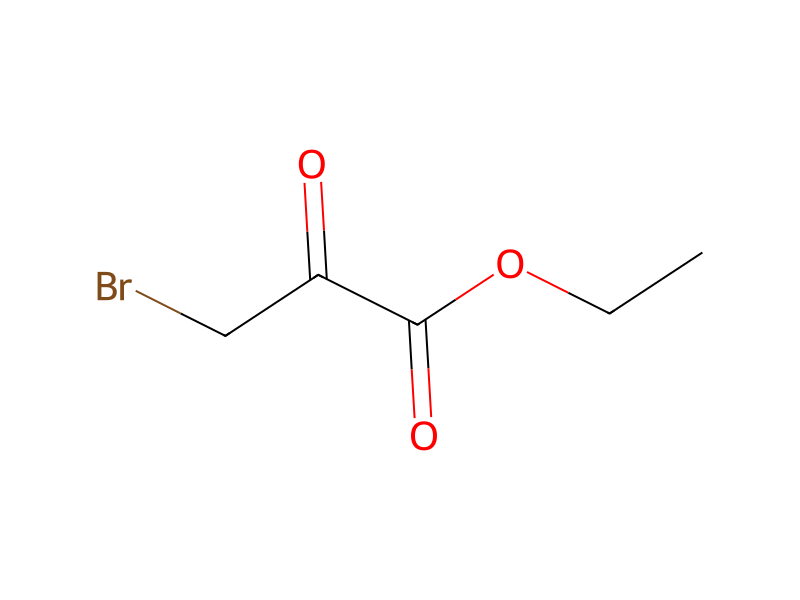



Product 1

Reagents, catalysts & solvents 1

Procedure
Ethel 1-(3-ethoxyphenyl)-2-(2-fluoro-4-methylphenyl)-1H-imidazole-4-carboxylate. To a mixture of the compound from Step A and 0.80 g (9.5 mmol) of sodium bicarbonate in 10 mL of 1,4-dioxane was added 0.60 mL (4.8 mmol) of ethyl bromopyruvate. The reaction mixture was refluxed overnight. After cooling to room temperature, the solid was filtered off and the filtrate was concentrated in vacuo. Flash chromatography on a Biotage Horizon® system (silica gel, 0 to 50% ethyl acetate in hexanes gradient) gave the title compound as a viscous yellow oil. LC/MS 369.2 (M+1).
Workup
- temperatureThe reaction mixture was refluxed overnight
- filtrationthe solid was filtered off
- concentrationthe filtrate was concentrated in vacuo
Sources & evidence
- ORD record
- ord-9f106efea9b64bafb914789a28a707ed
- Source dataset
- uspto-grants-2011_07
- Patent number
- US07977339B2
Reaction notes
Loading…