Ammonia → 1-(7-Amino-5-pyridin-3-yl-benzothiazol-2-yl)-3-ethyl-urea
Reaction equation

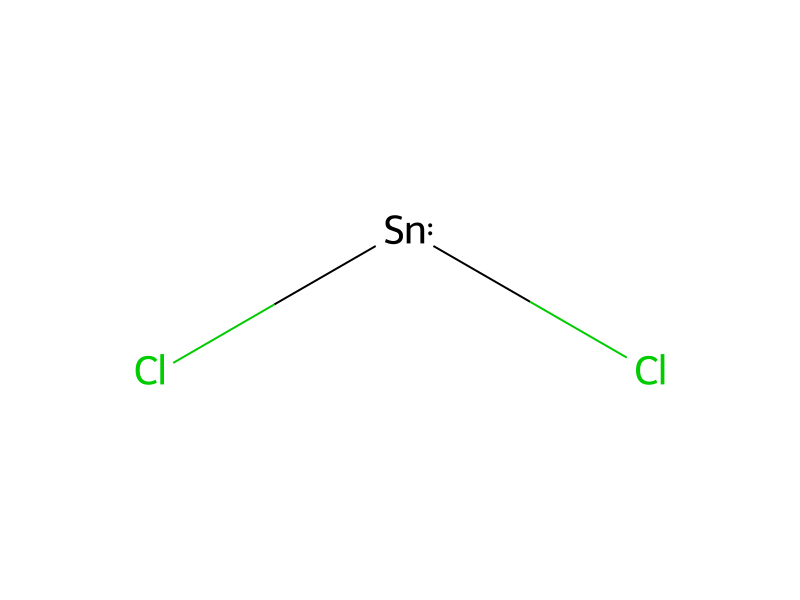
[CH2:1]([NH:3][C:4]([NH:6][C:7]1[S:8][C:9]2[C:15]([N+:16]([O-])=O)=[CH:14][C:13]([C:19]3[CH:20]=[N:21][CH:22]=[CH:23][CH:24]=3)=[CH:12][C:10]=2[N:11]=1)=[O:5])[CH3:2].[Sn](Cl)Cl.N>C(O)C.Cl.O>[NH2:16][C:15]1[C:9]2[S:8][C:7]([NH:6][C:4]([NH:3][CH2:1][CH3:2])=[O:5])=[N:11][C:10]=2[CH:12]=[C:13]([C:19]2[CH:20]=[N:21][CH:22]=[CH:23][CH:24]=2)[CH:14]=1Participants
7
Reactant 3


Product 1

Reagents, catalysts & solvents 3



Conditions
- Temperature
- 80 °C
Procedure
A stirred suspension of 1-Ethyl-3-(7-nitro-5-pyridin-3-yl-benzothiazol-2-yl)-urea (25 mg, 0.0728 mmol) in ethanol (0.5 ml) and concentrated hydrochloric acid (0.5 ml) was treated with tin (II) chloride (69 mg, 0.364 mmol) and heated at 80° C. for 5 h. After cooling to ambient temperature, the mixture was diluted with water (50 ml) and made alkaline (pH 11) by the addition of concentrated ammonia. The 1-(7-Amino-5-pyridin-3-yl-benzothiazol-2-yl)-3-ethyl-urea was extracted with ethyl acetate (3×50 ml) which was dried (MgSO4) and the solvent removed in vacuo to give an off-white solid (37 mg) which was used without further purification.
Workup
- temperatureAfter cooling to ambient temperature
- extractionThe 1-(7-Amino-5-pyridin-3-yl-benzothiazol-2-yl)-3-ethyl-urea was extracted with ethyl acetate (3×50 ml) which
- dry with materialwas dried (MgSO4)
- customthe solvent removed in vacuo
Sources & evidence
- ORD record
- ord-328c69e0f6b64b39ae49700b36f02b5f
- Source dataset
- uspto-grants-2011_07
- Patent number
- US07977340B2
Reaction notes
Loading…