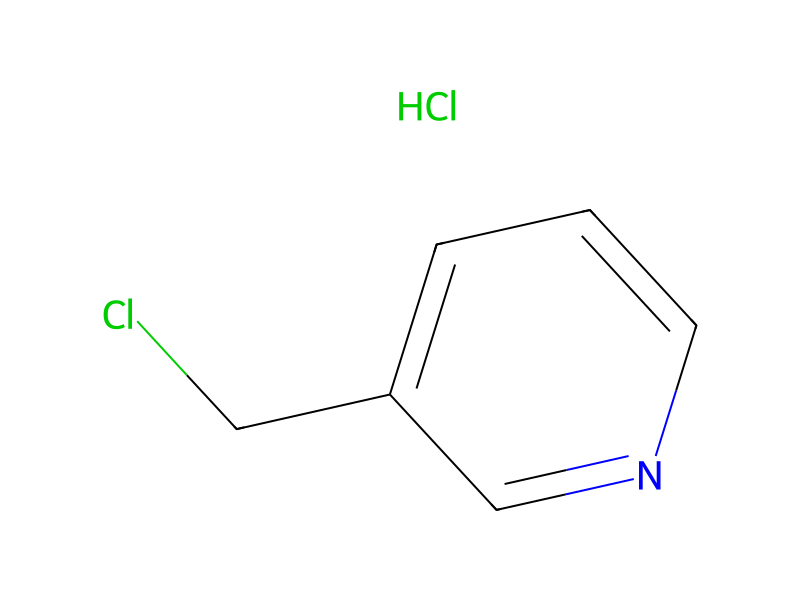
3-(Chloromethyl)pyridine hydrochloride → 10-bromo-2-(3-pyridylmethyl)-5-(3-pyridylmethyloxy)-3H-pyrido[3,2,1-kl]phenothiazin-3-one
Reaction equation

[Br:1][C:2]1[CH:15]=[CH:14][C:13]2[S:12][C:11]3[C:6]4=[C:7]([C:17](=[O:27])[C:18]([CH2:20][C:21]5[CH:22]=[N:23][CH:24]=[CH:25][CH:26]=5)=[CH:19][N:5]4[C:4]=2[CH:3]=1)[CH:8]=[C:9]([OH:16])[CH:10]=3.Cl.Cl[CH2:30][C:31]1[CH:32]=[N:33][CH:34]=[CH:35][CH:36]=1>>[Br:1][C:2]1[CH:15]=[CH:14][C:13]2[S:12][C:11]3[C:6]4=[C:7]([C:17](=[O:27])[C:18]([CH2:20][C:21]5[CH:22]=[N:23][CH:24]=[CH:25][CH:26]=5)=[CH:19][N:5]4[C:4]=2[CH:3]=1)[CH:8]=[C:9]([O:16][CH2:30][C:31]1[CH:32]=[N:33][CH:34]=[CH:35][CH:36]=1)[CH:10]=3Participants
3


Procedure
According to Example 34, the compound (300 mg) produced in Example 37 was reacted with 3-chloromethylpyridine hydrochloride (142 mg) to obtain the title compound (140 mg; 46%).
Sources & evidence
- ORD record
- ord-520fd9fafe6b4961a51fa510b55c0224
- Source dataset
- uspto-grants-2002_11
- Patent number
- US06476021B1
Reaction notes
Loading…