Potassium Hydroxide → HCID 10295513, compound
Reaction equation

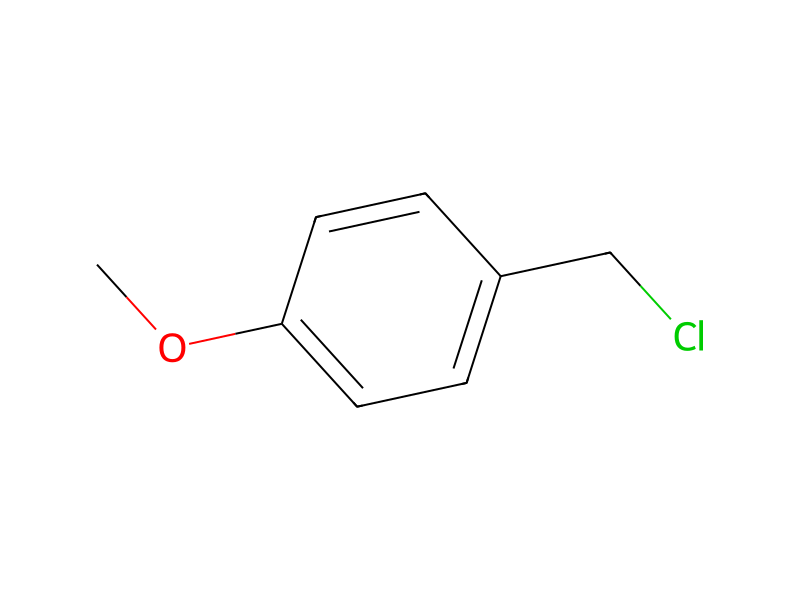
[N:1]1[CH:6]=[CH:5][C:4]([NH:7][C:8]2[C:17]3[C:12](=[CH:13][CH:14]=[CH:15][CH:16]=3)[N:11]=[C:10]([C:18]3[CH:23]=[CH:22][CH:21]=[CH:20][CH:19]=3)[N:9]=2)=[CH:3][CH:2]=1.[OH-].[K+].[CH3:26][O:27][C:28]1[CH:35]=[CH:34][C:31]([CH2:32]Cl)=[CH:30][CH:29]=1>CC(C)=O.C(OCC)(=O)C>[CH3:26][O:27][C:28]1[CH:35]=[CH:34][C:31]([CH2:32][N:7]([C:4]2[CH:3]=[CH:2][N:1]=[CH:6][CH:5]=2)[C:8]2[C:17]3[C:12](=[CH:13][CH:14]=[CH:15][CH:16]=3)[N:11]=[C:10]([C:18]3[CH:19]=[CH:20][CH:21]=[CH:22][CH:23]=3)[N:9]=2)=[CH:30][CH:29]=1Participants
6
Reactant 3


Product 1

Reagents, catalysts & solvents 2


Procedure
4-(4-pyridylamino)-2-phenyl quinazoline, 1 equivalent, was dissolved in reagent grade acetone, to this was added 5 equivalents of potassium hydroxide and 1.5 equivalents of 4-methoxybenzyl chloride. The mixture was refluxed under nitrogen for 4 hours. After cooling to room temperature the reaction mixture was concentrated and the residue taken up in ethyl acetate and washed with saturated aqueous sodium chloride and dried over anhydrous sodium sulfate and concentrated to give an oil. This crude material was dissolved in ethyl acetate and chromatographed as in Example 1. EIMS confirmed the product.
Workup
- temperatureThe mixture was refluxed under nitrogen for 4 hours
- concentrationwas concentrated
- washwashed with saturated aqueous sodium chloride
- dry with materialdried over anhydrous sodium sulfate
- concentrationconcentrated
- customto give an oil
- customchromatographed as in Example 1
Sources & evidence
- ORD record
- ord-a746d1d1df954f9488c7242420f2f9c7
- Source dataset
- uspto-grants-2002_11
- Patent number
- US06476031B1
Reaction notes
Loading…