Dimethyl malonate → Dimethyl 2-methoxycarbonyl-6-nitrophenylmalonate
Reaction equation

[C:1]([O:8][CH3:9])(=[O:7])[CH2:2][C:3]([O:5][CH3:6])=[O:4].[H-].[Na+].Cl[C:13]1[C:18]([C:19]([O:21][CH3:22])=[O:20])=[CH:17][CH:16]=[CH:15][C:14]=1[N+:23]([O-:25])=[O:24]>CS(C)=O>[CH3:22][O:21][C:19]([C:18]1[CH:17]=[CH:16][CH:15]=[C:14]([N+:23]([O-:25])=[O:24])[C:13]=1[CH:2]([C:1]([O:8][CH3:9])=[O:7])[C:3]([O:5][CH3:6])=[O:4])=[O:20]Participants
5
Reactant 3
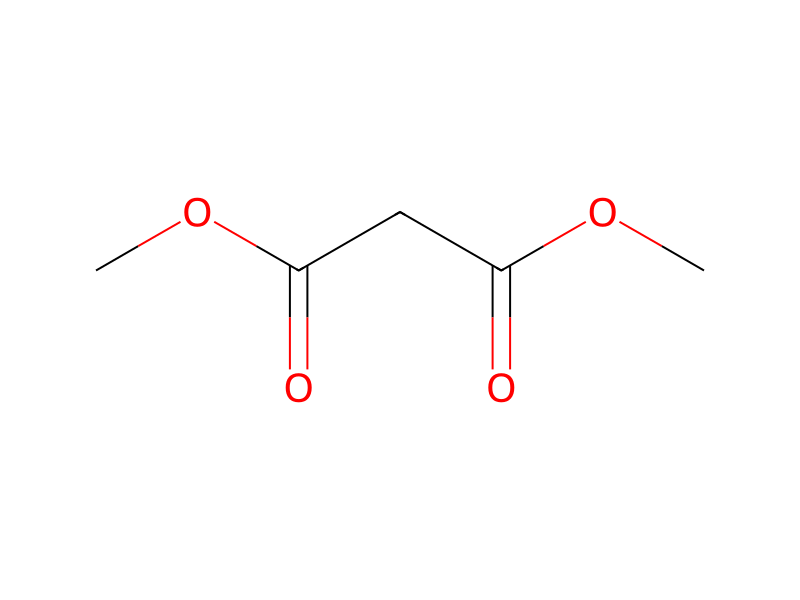

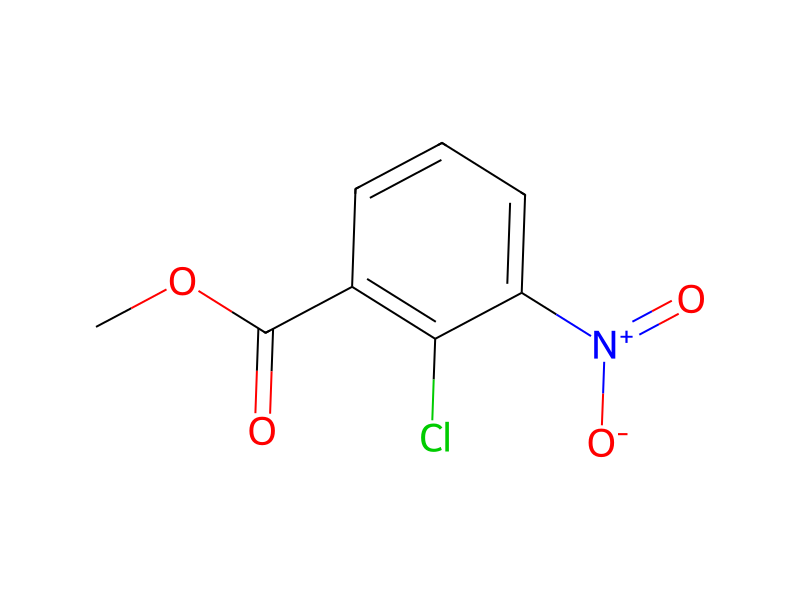
Product 1

Reagents, catalysts & solvents 1

Conditions
- Temperature
- 100 °C
Procedure
Dimethyl malonate (6.0 mL) was added to the ice-cold suspension of 2.1 g of sodium hydride in 16 mL of DMSO. The reaction mixture was then stirred at 100° C. for 1 hour and cooled to room temperature. 2-chloro-3-methoxycarbonyl-nitrobenzene (2.15 g) was added to the above mixture in one portion and the mixture was heated to 100° C. for 1.5 hours. The reaction mixture was then cooled to room temperature and poured into ice water, acidified to pH of 5, and extracted with ethyl acetate. The organic layer was then washed with brine, dried over anhydrous sodium sulfate and concentrated to give 3.0 g of the dimethyl 2-methoxycarbonyl-6-nitrophenylmalonate.
Workup
- temperaturecooled to room temperature
- temperaturethe mixture was heated to 100° C. for 1.5 hours
- temperatureThe reaction mixture was then cooled to room temperature
- extractionextracted with ethyl acetate
- washThe organic layer was then washed with brine
- dry with materialdried over anhydrous sodium sulfate
- concentrationconcentrated
Sources & evidence
- ORD record
- ord-11d406c8bb1a4eef9229b238ff1e2f1c
- Source dataset
- uspto-grants-2002_11
- Patent number
- US06486185B1
Reaction notes
Loading…