Sodium Carbonate → 2-Bromo-9H-carbazole
Reaction equation

[Br:1][C:2]1[CH:7]=[CH:6][C:5]([C:8]2[CH:13]=[CH:12][CH:11]=[CH:10][C:9]=2[N+:14]([O-])=O)=[CH:4][CH:3]=1.C(OP(OCC)OCC)C.[OH-].[Na+].C([O-])([O-])=O.[Na+].[Na+]>>[Br:1][C:2]1[CH:7]=[CH:6][C:5]2[C:8]3[C:9](=[CH:10][CH:11]=[CH:12][CH:13]=3)[NH:14][C:4]=2[CH:3]=1Participants
5




Procedure
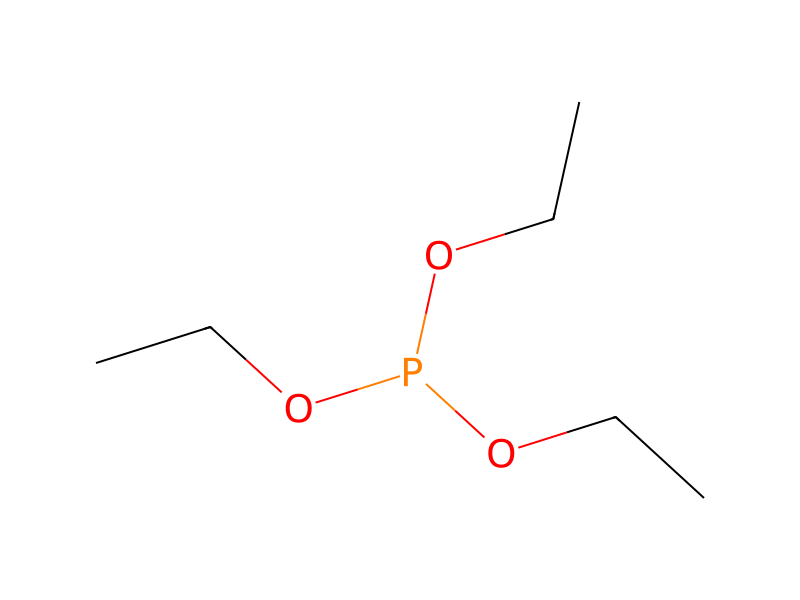
4′-bromo-2-nitrobiphenyl (9.8 g, 35.4 mmol) was refluxed with 30 mL triethylphosphite overnight. After cooling down the solution to room temperature, 40 mL 6(N)HCl was added to it slowly and heated to 80° C. for 3 h. Acidic solution was halfway neutralized with conc. NaOH, rest of the acidic solution was neutralized with solid Na2CO3. Cloudy solution was extracted three times with ethylacetate (500 mL). Combined organic layer was evaporated under vacuum and crude was flashed on silica gel (15% to 30% ethylacetate/hexane). 4.1 g final compound was isolated as off white solid.
Workup
- temperatureheated to 80° C. for 3 h
- extractionCloudy solution was extracted three times with ethylacetate (500 mL)
- customCombined organic layer was evaporated under vacuum and crude
Sources & evidence
- ORD record
- ord-38e095ac6bfb47ff840b1666fc1e5c94
- Source dataset
- uspto-grants-2014_05
- Patent number
- US08722205B2
Reaction notes
Loading…