Triethylamine → HCID 19025174, compound
Reaction equation

[OH:1][C:2]1[CH:11]=[CH:10][C:9]2[C:4](=[CH:5][CH:6]=[C:7]([OH:12])[CH:8]=2)[CH:3]=1.C(N(CC)CC)C.[C:20](Cl)(=[O:29])[CH2:21][CH2:22][CH2:23][CH2:24][CH2:25][CH2:26][CH2:27][CH3:28].CN(C1C=CC=CN=1)C>ClCCl.CCCCCC.C(OCC)(=O)C>[OH:1][C:2]1[CH:11]=[CH:10][C:9]2[C:4](=[CH:5][CH:6]=[C:7]([O:12][C:20](=[O:29])[CH2:21][CH2:22][CH2:23][CH2:24][CH2:25][CH2:26][CH2:27][CH3:28])[CH:8]=2)[CH:3]=1Participants
7





Procedure
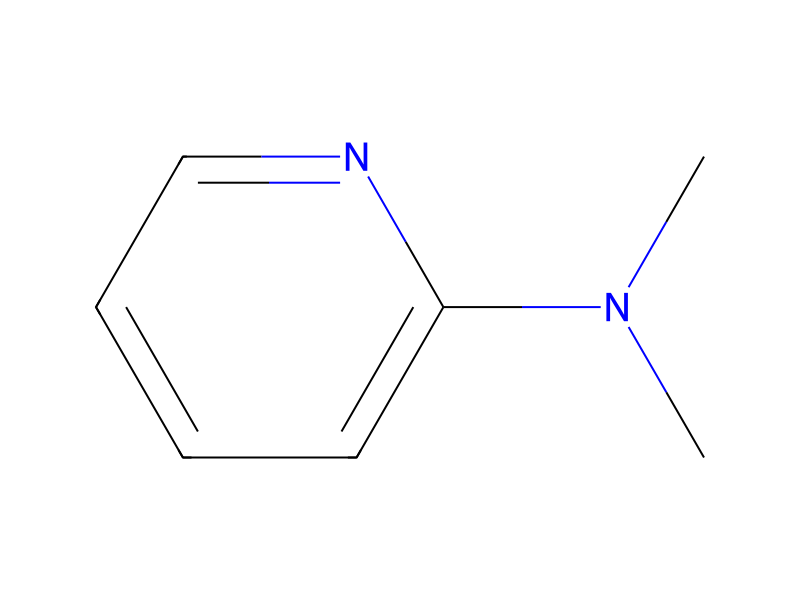
2,6-dihydroxynaphthalene (0.48 g) and triethylamine (0.31 g) were dissolved in 20 ml of dichloromethane. Nonanoyl chloride (0.55 g) and dimethylaminopyridine (0.13 g) were added to the solution, and the mixture was stirred at room temperature for about 20 hours. The reaction mixture was poured into ice-water, extracted with dichloromethane and dried over anhydrous magnesium sulfate, and the solvent was removed by evaporation to give a crude product, which was treated with a silica gel column chromatograph (eluent: hexane/ethyl acetate=10/2) to give 0.29 g of the desired product.
Workup
- extractionextracted with dichloromethane
- dry with materialdried over anhydrous magnesium sulfate
- customthe solvent was removed by evaporation
- customto give a crude product, which
Sources & evidence
- ORD record
- ord-088814e356214246ad141220c6ab0563
- Source dataset
- uspto-grants-1994_05
- Patent number
- US05310500
Reaction notes
Loading…