Hydrochloric Acid → 3-Hydroxy-7-(3-hydroxyphenyl)-1-naphthonitrile
Reaction equation

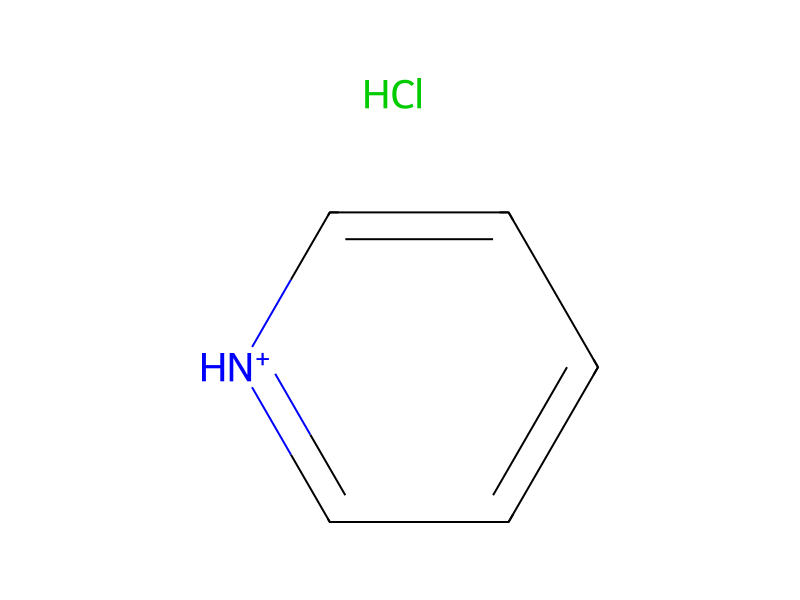
C[O:2][C:3]1[CH:4]=[C:5]([C:21]#[N:22])[C:6]2[C:11]([CH:12]=1)=[CH:10][CH:9]=[C:8]([C:13]1[CH:18]=[CH:17][CH:16]=[C:15]([O:19]C)[CH:14]=1)[CH:7]=2.Cl.[NH+]1C=CC=CC=1.Cl>>[OH:2][C:3]1[CH:4]=[C:5]([C:21]#[N:22])[C:6]2[C:11]([CH:12]=1)=[CH:10][CH:9]=[C:8]([C:13]1[CH:18]=[CH:17][CH:16]=[C:15]([OH:19])[CH:14]=1)[CH:7]=2Participants
4



Procedure
3-Methoxy-7-(3-methoxyphenyl)-1-naphthonitrile (100 mg, 0.35 mmol, 1 eq) and pyridinium hydrochloride (492 mg, 4.3 mmol, 12.2 eq) are boiled under reflux for 3 h. After cooling the reaction mixture, it is acidified with 1 N HCl, the resulting precipitate is filtered and dissolved in a small amount of ethyl acetate. The organic phase is washed with water, dried over magnesium sulfate, filtered and concentrated in vacuum on a rotary evaporator. The residue formed is the desired product (yield 64%, 58 mg).
Workup
- temperatureunder reflux for 3 h
- temperatureAfter cooling the reaction mixture, it
- filtrationthe resulting precipitate is filtered
- dissolutiondissolved in a small amount of ethyl acetate
- washThe organic phase is washed with water
- dry with materialdried over magnesium sulfate
- filtrationfiltered
- concentrationconcentrated in vacuum on a rotary evaporator
- customThe residue formed
Sources & evidence
- ORD record
- ord-4e471b39e997422f91563b6f39d8765b
- Source dataset
- uspto-grants-2013_10
- Patent number
- US08546392B2
Reaction notes
Loading…