Dichloromethane → HCID 86671051, compound
Reaction equation

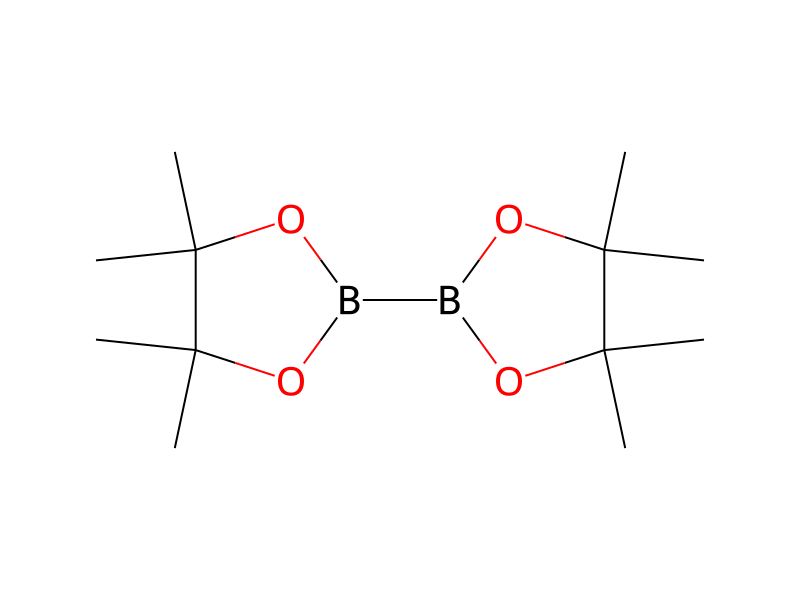
Br[C:2]1[CH:3]=[CH:4][C:5]([C:8]2([NH:12][S:13]([C:15]([CH3:18])([CH3:17])[CH3:16])=[O:14])[CH2:11][CH2:10][CH2:9]2)=[N:6][CH:7]=1.B1(B2OC(C)(C)C(C)(C)O2)OC(C)(C)C(C)(C)O1.C(Cl)Cl.C([O-])(=O)C.[K+].I[C:46]1[C:47](=[O:74])[C:48]2[CH:49]=[CH:50][N:51]3[C:64](=[O:65])[N:63]([CH2:66][O:67][CH2:68][CH2:69][Si:70]([CH3:73])([CH3:72])[CH3:71])[N:62]=[C:52]3[C:53]=2[O:54][C:55]=1[C:56]1[CH:61]=[CH:60][CH:59]=[CH:58][CH:57]=1.C(=O)([O-])[O-].[Na+].[Na+]>C1C=CC(P(C2C=CC=CC=2)[C-]2C=CC=C2)=CC=1.C1C=CC(P(C2C=CC=CC=2)[C-]2C=CC=C2)=CC=1.Cl[Pd]Cl.[Fe+2].COCCOC>[O:65]=[C:64]1[N:51]2[CH:50]=[CH:49][C:48]3[C:47](=[O:74])[C:46]([C:2]4[CH:3]=[CH:4][C:5]([C:8]5([NH:12][S:13]([C:15]([CH3:18])([CH3:17])[CH3:16])=[O:14])[CH2:11][CH2:10][CH2:9]5)=[N:6][CH:7]=4)=[C:55]([C:56]4[CH:61]=[CH:60][CH:59]=[CH:58][CH:57]=4)[O:54][C:53]=3[C:52]2=[N:62][N:63]1[CH2:66][O:67][CH2:68][CH2:69][Si:70]([CH3:73])([CH3:72])[CH3:71]Participants
Reactant 6





Product 1

Reagents, catalysts & solvents 2


Conditions
- Temperature
- 100 °C
Procedure
To a microwave vial were added 2-methyl-propane-2-sulfinic acid [1-(5-bromo-pyridin-2-yl)-cyclobutyl]-amide (33 mg, 0.10 mmol), bis(pinacolato)diboron (30.5 mg, 0.12 mmol, [1,1′-bis(diphenylphosphino)-ferrocene]dichloropalladium(II), complex with DCM (2.5 mg, 0.003 mmol), potassium acetate (29.4 mg, 0.30 mmol) and DME (1 mL). The reaction mixture was purged using nitrogen and heated in a microwave reactor at 100° C. for 2 h. The reaction mixture was allowed to cool to RT and 7-iodo-8-phenyl-2-(2-trimethylsilanyl-ethoxymethyl)-2H-9-oxa-1,2,3a-triaza-cyclopenta[a]naphthalene-3,6-dione (53.5 mg, 0.10 mmol), [1,1′-bis(diphenylphosphino)-ferrocene]dischloropalladium(II), complex with dichloromethane (2.5 mg, 0.003 mmol), sodium carbonate solution (2 M in water, 0.2 mL, 0.4 mmol) and DME (0.5 mL) were added. The reaction mixture was purged using nitrogen and heated in a microwave reactor at 125° C. for 1 h. The reaction mixture was allowed to cool to RT, partitioned between EtOAc and water, and was filtered through a Celite® pad. The aqueous phase was extracted with EtOAc and the combined organic extracts were washed with water and brine, dried (Na2SO4), filtered, and concentrated in vacuo. The resultant residue was subjected to flash chromatography (SiO2, gradient 0 to 10% MeOH in EtOAc) to afford the title compound (54 mg, 82%). LCMS (Method B): RT=4.90 min, [M+H]+=660.
Workup
- customThe reaction mixture was purged
- temperatureto cool to RT
- customThe reaction mixture was purged
- temperatureheated in a microwave reactor at 125° C. for 1 h
- temperatureto cool to RT
- custompartitioned between EtOAc and water
- filtrationwas filtered through a Celite® pad
- extractionThe aqueous phase was extracted with EtOAc
- washthe combined organic extracts were washed with water and brine
- dry with materialdried (Na2SO4)
- filtrationfiltered
- concentrationconcentrated in vacuo
Sources & evidence
- ORD record
- ord-afd700112bf44655a87338639dfd4042
- Source dataset
- uspto-grants-2013_10
- Patent number
- US08546376B2
Reaction notes
Loading…