p-Toluenesulfonic acid → 3-Chloro-5-(1,3-dioxan-2-yl)-1H-indazole
Reaction equation

[Cl:1][C:2]1[C:10]2[C:5](=[CH:6][CH:7]=[C:8]([CH:11]=[O:12])[CH:9]=2)[NH:4][N:3]=1.[CH2:13](O)[CH2:14][CH2:15][OH:16].C1(C)C=CC(S(O)(=O)=O)=CC=1>C1(C)C=CC=CC=1>[Cl:1][C:2]1[C:10]2[C:5](=[CH:6][CH:7]=[C:8]([CH:11]3[O:16][CH2:15][CH2:14][CH2:13][O:12]3)[CH:9]=2)[NH:4][N:3]=1Participants
5
Reactant 3

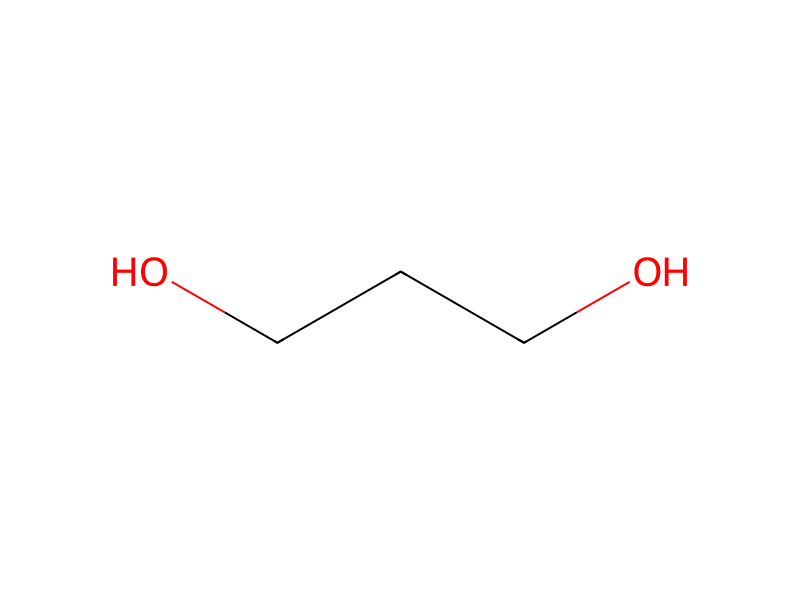

Product 1

Reagents, catalysts & solvents 1

Procedure
2.2 g (12.2 mmol) 3-chloro-1H-indazole-5-carbaldehyde (Example 43A), 4.64 g (60.9 mmol) propane-1,3-diol and a trace amount of p-toluene sulfonic acid in toluene (60 ml) were heated to reflux for 12 h using a Dean-Stark trap. After cooling, the mixture was concentrated under reduced pressure. The residue was dissolved in ethyl acetate and washed with water. The organic layer was dried with sodium sulfate, filtered and evaporated to dryness. The remaining solid (2.76 g, 91% of th.) was used in the next step without further purification.
Workup
- temperatureto reflux for 12 h
- temperatureAfter cooling
- concentrationthe mixture was concentrated under reduced pressure
- dissolutionThe residue was dissolved in ethyl acetate
- washwashed with water
- dry with materialThe organic layer was dried with sodium sulfate
- filtrationfiltered
- customevaporated to dryness
- customThe remaining solid (2.76 g, 91% of th.) was used in the next step without further purification
Sources & evidence
- ORD record
- ord-a8a662aac0e74e01b05d2ae9e9cc8ccc
- Source dataset
- uspto-grants-2013_10
- Patent number
- US08551989B2
Reaction notes
Loading…