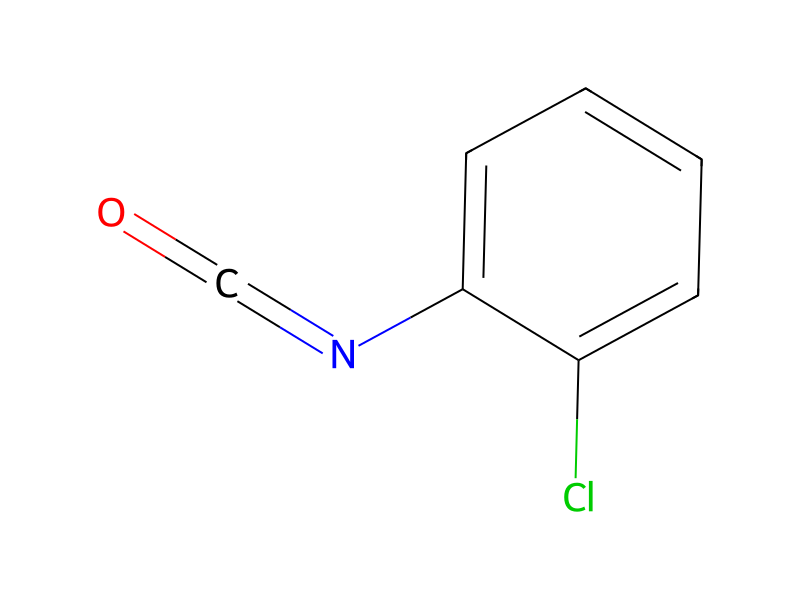
Chlorophenyl isocyanate → 3-(2-Chloro-phenyl)-1-[6-(3-chloro-phenylamino)-pyrimidin-4-yl]-urea
Reaction equation

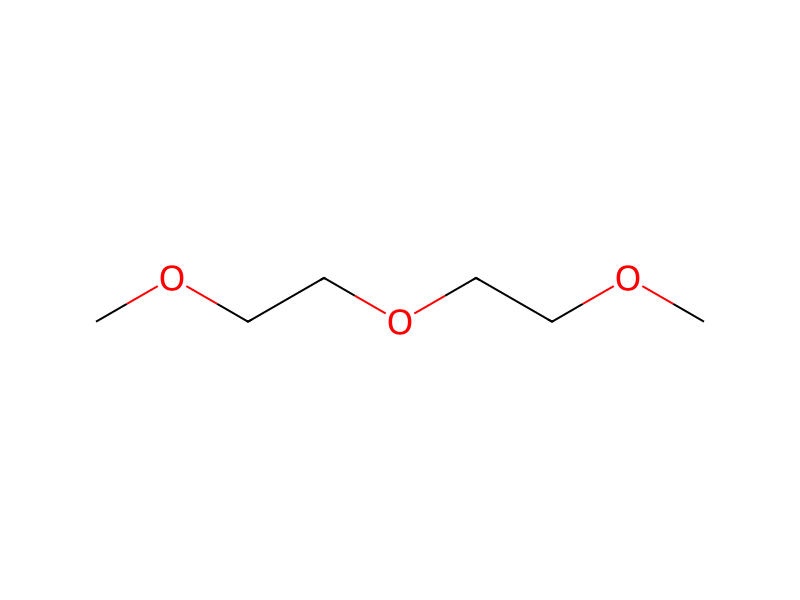
[Cl:1][C:2]1[CH:3]=[C:4]([NH:8][C:9]2[CH:14]=[C:13]([NH2:15])[N:12]=[CH:11][N:10]=2)[CH:5]=[CH:6][CH:7]=1.[Cl:16][C:17]1[CH:22]=[CH:21][CH:20]=[CH:19][C:18]=1[N:23]=[C:24]=[O:25]>COCCOCCOC>[Cl:16][C:17]1[CH:22]=[CH:21][CH:20]=[CH:19][C:18]=1[NH:23][C:24](=[O:25])[NH:15][C:13]1[CH:14]=[C:9]([NH:8][C:4]2[CH:5]=[CH:6][CH:7]=[C:2]([Cl:1])[CH:3]=2)[N:10]=[CH:11][N:12]=1Participants
4
Reactant 2

Product 1

Reagents, catalysts & solvents 1
Procedure
A solution of N-(3-chloro-phenyl)-pyrimidine-4,6-diamine (110 mg, 0.5 mmol) and 2-chlorophenyl isocyanate (60 μL, 0.5 mmol) in diglyme (1.5 mL) is stirred at 80° C. for 18 h. The precipitate which formed over time is filtered and washed with hexane/ethyl acetate to afford the pure title compound (98 mg, 52%).
Workup
- customThe precipitate which formed over time
- filtrationis filtered
- washwashed with hexane/ethyl acetate
Sources & evidence
- ORD record
- ord-ca97c478f7ff4bce9922ea3cda22b7a0
- Source dataset
- uspto-grants-2013_10
- Patent number
- US08552002B2
Reaction notes
Loading…