Sodium Carbonate → HCID 11287711, compound
Reaction equation

Br[C:2]1[CH:9]=[CH:8][CH:7]=[CH:6][C:3]=1[CH:4]=[O:5].C(=O)([O-])[O-].[Na+].[Na+].[C:16]1(B(O)O)[C:25]2[C:20](=[CH:21][CH:22]=[CH:23][CH:24]=2)[CH:19]=[CH:18][CH:17]=1>CN(C)C=O.O.C([O-])(=O)C.[Pd+2].C([O-])(=O)C>[C:24]1([C:2]2[CH:9]=[CH:8][CH:7]=[CH:6][C:3]=2[CH:4]=[O:5])[C:25]2[C:20](=[CH:19][CH:18]=[CH:17][CH:16]=2)[CH:21]=[CH:22][CH:23]=1Participants
6




Procedure
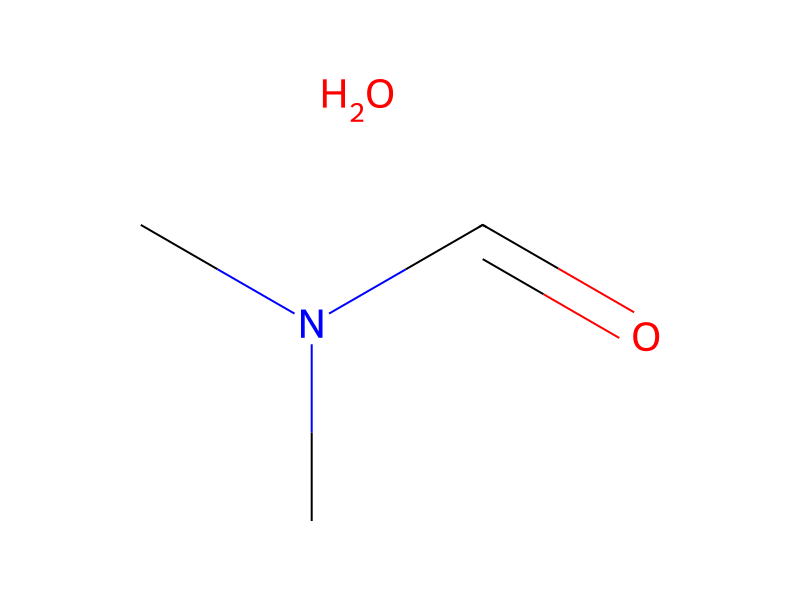
To a suspension of 2-bromobenzaldehyde (200 μL, 1.71 mmol), sodium carbonate (218 mg, 2.06 mmol), and 1-naphthaleneboronic acid (353 mg, 2.05 mmol) in 3.4 mL of N,N-dimethylformamide/water (2:1) was added palladium acetate (20 mg, 89 μmol) under nitrogen. After being stirred at room temperature overnight, the reaction mixture was filtered. The filtrate was diluted with diethyl ether, and the solution was washed with saturated NaHCO3 aqueous solution, brine, and dried over MgSO4. After filtration, the filtrate was concentrated in vacuo, and the residue was purified by silica gel column chromatography (hexane/ethyl acetate=90/10 to 80/20) to obtain the title compound as a white solid (346 mg, 87%).
Workup
- filtrationthe reaction mixture was filtered
- additionThe filtrate was diluted with diethyl ether
- washthe solution was washed with saturated NaHCO3 aqueous solution, brine
- dry with materialdried over MgSO4
- filtrationAfter filtration
- concentrationthe filtrate was concentrated in vacuo
- customthe residue was purified by silica gel column chromatography (hexane/ethyl acetate=90/10 to 80/20)
Sources & evidence
- ORD record
- ord-b69bca30ded74207873c0bdbd2d8a78b
- Source dataset
- uspto-grants-2013_10
- Patent number
- US08552220B2
Reaction notes
Loading…