Carbon Tetrachloride → HCID 22154346, compound
Reaction equation

FF.[C:3]([Cl:7])([Cl:6])([Cl:5])[Cl:4].[C:8]1([P:14]([C:21]2[CH:26]=[CH:25][CH:24]=[CH:23][CH:22]=2)[C:15]2[CH:20]=[CH:19][CH:18]=[CH:17][CH:16]=2)[CH:13]=[CH:12][CH:11]=[CH:10][CH:9]=1>ClCCl>[C:21]1([P:14]([C:8]2[CH:9]=[CH:10][CH:11]=[CH:12][CH:13]=2)[C:15]2[CH:20]=[CH:19][CH:18]=[CH:17][CH:16]=2)[CH:22]=[CH:23][CH:24]=[CH:25][CH:26]=1.[Cl:4][C:3]([Cl:7])([Cl:6])[Cl:5]Participants
Reactant 3


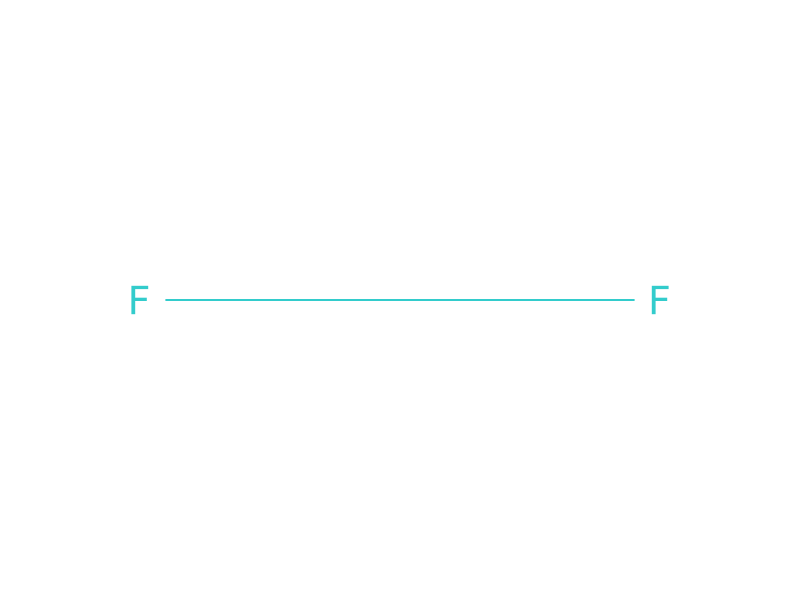
Product 1

Reagents, catalysts & solvents 1

Conditions
- Temperature
- 0 °C
Procedure
Adapting literature known protocols (Buss, et al., J. Fluorine Chem., 1986, 34(1), 83-114; and Kupczyk-Subotkowska, et al., J. Drug Targeting, 1997, 4(6), 359-370), a solution of the corresponding N,N-bis(2-hydroxyethyl) derivative (5 mmol) in anhydrous dichloromethane (DCM) (about 25 mL) containing carbon tetrachloride (CCl4) (15-25 mmol) is cooled to about 0° C. (ice bath). Alternatively, neat carbon tetrachloride (CCl4) (25 mL) is used as a reaction solvent. The reaction mixture is stirred, and triphenylphosphine (Ph3P) (10-15 mmol) is added in portions. The reaction mixture is stirred for about 8-14 h with gradual warming to room temperature. Alternatively, the reaction mixture is heated at reflux for about 2-6 h. The reaction course is followed by TLC and/or LC/MS till completion. The reaction mixture is cooled to room temperature and the solvents are removed under reduced pressure using a rotary evaporator. The residue is triturated with diethyl ether (Et2O) (3×) to remove some of the triphenylphosphine oxide (Ph3PO). The organic phase is evaporated under reduced pressure using a rotary evaporator. The remainder of the reaction, work-up, and product isolation are conducted as described in Variant A.
Workup
- stirringThe reaction mixture is stirred for about 8-14 h
- temperaturewith gradual warming to room temperature
- temperatureAlternatively, the reaction mixture is heated
- temperatureat reflux for about 2-6 h
- temperatureThe reaction mixture is cooled to room temperature
- customthe solvents are removed under reduced pressure
- customa rotary evaporator
- customThe residue is triturated with diethyl ether (Et2O) (3×)
- customto remove some of the triphenylphosphine oxide (Ph3PO)
- customThe organic phase is evaporated under reduced pressure
- customa rotary evaporator
- customThe remainder of the reaction
Sources & evidence
- ORD record
- ord-75046e944690463a90750b2dc2298115
- Source dataset
- uspto-grants-2016_07
- Patent number
- US09394236B2
Reaction notes
Loading…