Indole-5-carbonitrile → 3-(4-Chlorobutyl)-5-cyanoindole
Reaction equation

[C:1]([C:3]1[CH:4]=[C:5]2[C:9](=[CH:10][CH:11]=1)[NH:8][CH:7]=[CH:6]2)#[N:2].[Cl:12][CH2:13][CH2:14][CH2:15][C:16](Cl)=[O:17]>>[Cl:12][CH2:13][CH2:14][CH2:15][CH2:16][C:6]1[C:5]2[C:9](=[CH:10][CH:11]=[C:3]([C:1]#[N:2])[CH:4]=2)[NH:8][CH:7]=1.[Cl:12][CH2:13][CH2:14][CH2:15][C:16]([C:6]1[C:5]2[C:9](=[CH:10][CH:11]=[C:3]([C:1]#[N:2])[CH:4]=2)[NH:8][CH:7]=1)=[O:17]Participants
4



Procedure
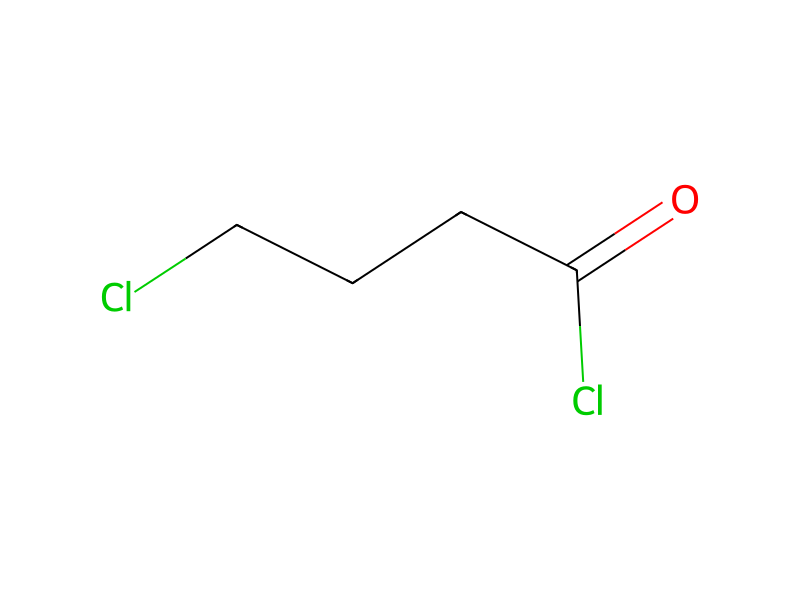
According to U.S. Pat. No. 5,418,237 (hereinafter referred to as the '237 patent) & the Research Article ‘Drugs of the Future 2001, 26(3), 247’, 3-(4-chlorobutyl)-1H-indole-5-carbonitrile is prepared by reacting 5-cyanoindole with 4-chlorobutyryl chloride to give 3-(4-chlorobutyryl)-1H-indole-5-carbonitrile, which then reduced with diborane to produce the 3-(4-chlorobutyl)-1H-indole-5-carbonitrile.
Sources & evidence
- ORD record
- ord-fb0372019a944243a634652e53c28f2c
- Source dataset
- uspto-grants-2016_07
- Patent number
- US09399630B2
Reaction notes
Loading…