Acetonitrile → HCID 86732656, compound
Reaction equation

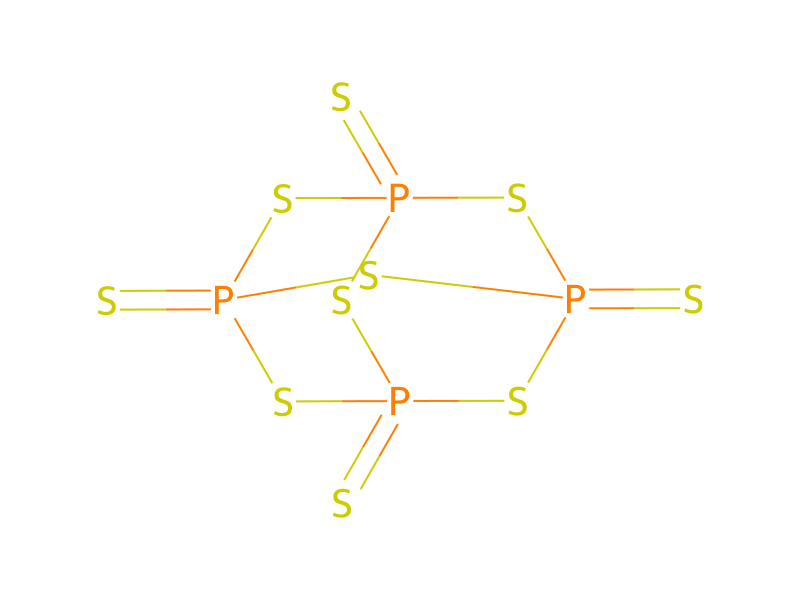
[CH2:1]([O:4][C:5]1[CH:10]=[CH:9][CH:8]=[CH:7][C:6]=1[CH:11]1[C:20]2[CH:19]=[C:18]3[O:21][CH2:22][O:23][C:17]3=[CH:16][C:15]=2[NH:14][C:13](=O)[CH2:12]1)[CH2:2][CH3:3].C(OC1C=CC=CC=1C=CC(O)=O)CC.P12(SP3(SP(SP(S3)(S1)=S)(=S)S2)=S)=S.[CH:54]([NH:56]N)=O.C(#[N:60])C>C(O)(=O)C.C(N(CC)CC)C>[CH2:1]([O:4][C:5]1[CH:10]=[CH:9][CH:8]=[CH:7][C:6]=1[CH:11]1[C:20]2[C:15](=[CH:16][C:17]3[O:23][CH2:22][O:21][C:18]=3[CH:19]=2)[N:14]2[N:60]=[CH:54][N:56]=[C:13]2[CH2:12]1)[CH2:2][CH3:3]Participants
Reactant 5




Product 1

Reagents, catalysts & solvents 2


Conditions
- Temperature
- 100 °C
Procedure
8-(2-propoxyphenyl)-7,8-dihydro-[1,3]dioxolo[4,5-g]quinolin-6(5H)-one (175 mg, 1.0 equiv—prepared essentially as described in Example 1 using 2-propoxycinnamic acid as the starting material) was dissolved in 0.8 mL dry acetonitrile and 0.54 mL triethylamine under an atmosphere of nitrogen. Phosphorus pentasulfide (179 mg, 1.5 equiv) was added in one portion and the reaction was heated to 100° C. for six hours. The solvent was removed in vacuo and the residue was partitioned between 20 mL DCM and 10 mL brine. The layers were separated and the organic portion was washed with two additional portions of brine, dried over sodium sulfate, and reduced in vacuo. The resultant crude orange foam was dissolved in 1.0 mL n-butanol in a vial under an atmosphere of nitrogen. Acetic acid (6 uL) and formohydrazide (31 mg, 1.0 equiv) were added and the vial was tightly capped and heated to 130° C. for 24 hours. The solvent was removed in vacuo and the residue was suspended in DCM and washed with three portions of brine. The organic layer was dried over sodium sulfate and condensed to give a crude oil that was purified by flash column chromatography (2% to 5% methanol in chloroform). Fractions containing product were pooled to give 125 mg of a brown oil that was recrystallized from chloroform/hexanes to give triazole compound IX as a yellow solid (31 mg, 17%) that was >99% pure by UPLC-MS (ELSD). 1H NMR (400 MHz, CDCl3) δ=8.54 (s, 1 H), 7.19 (dt, J=2.0, 8.2 Hz, 1 H), 6.99-6.92 (m, 1 H), 6.88 (d, J=8.2 Hz, 1 H), 6.76 (t, J=7.4 Hz, 1 H), 6.65 (dd, J=1.6, 7.8 Hz, 1 H), 6.59-6.54 (m, 1 H), 6.03-5.96 (m, 2 H), 4.67 (dd, J=6.4, 7.4 Hz, 1 H), 4.03-3.88 (m, 2 H), 3.55 (dd, J=7.4, 16.2 Hz, 1 H), 3.33 (dd, J=6.4, 16.2 Hz, 1 H), 1.78 (qd, J=7.1, 13.9 Hz, 2 H), 0.98 (t, J=7.4 Hz, 3 H). ESI-MS (M+H+) m/z=350.
Workup
- customThe solvent was removed in vacuo
- customthe residue was partitioned between 20 mL DCM and 10 mL brine
- customThe layers were separated
- washthe organic portion was washed with two additional portions of brine
- dry with materialdried over sodium sulfate
- dissolutionThe resultant crude orange foam was dissolved in 1.0 mL n-butanol in a vial under an atmosphere of nitrogen
- customthe vial was tightly capped
- temperatureheated to 130° C. for 24 hours
- customThe solvent was removed in vacuo
- washwashed with three portions of brine
- dry with materialThe organic layer was dried over sodium sulfate and condensed
- customto give a crude oil that
- customwas purified by flash column chromatography (2% to 5% methanol in chloroform)
- additionFractions containing product
Sources & evidence
- ORD record
- ord-4e57441364374e6b934d98505742f33f
- Source dataset
- uspto-grants-2016_07
- Patent number
- US09399644B2
Reaction notes
Loading…