4-tert-Butylphenol → HCID 18671362, compound
Reaction equation

C1(P(C2C=CC=CC=2)C2C=CC=CC=2)C=CC=CC=1.[C:20]1([CH:26]([C:32]2[CH:37]=[CH:36][CH:35]=[CH:34][CH:33]=2)[N:27]2[CH2:30][CH:29]([OH:31])[CH2:28]2)[CH:25]=[CH:24][CH:23]=[CH:22][CH:21]=1.[C:38]([C:42]1[CH:47]=[CH:46][C:45](O)=[CH:44][CH:43]=1)([CH3:41])([CH3:40])[CH3:39].N(C(OCC)=O)=NC(OCC)=O>C(#N)C.O>[C:38]([C:42]1[CH:47]=[CH:46][C:45]([O:31][CH:29]2[CH2:30][N:27]([CH:26]([C:20]3[CH:21]=[CH:22][CH:23]=[CH:24][CH:25]=3)[C:32]3[CH:33]=[CH:34][CH:35]=[CH:36][CH:37]=3)[CH2:28]2)=[CH:44][CH:43]=1)([CH3:41])([CH3:40])[CH3:39]Participants
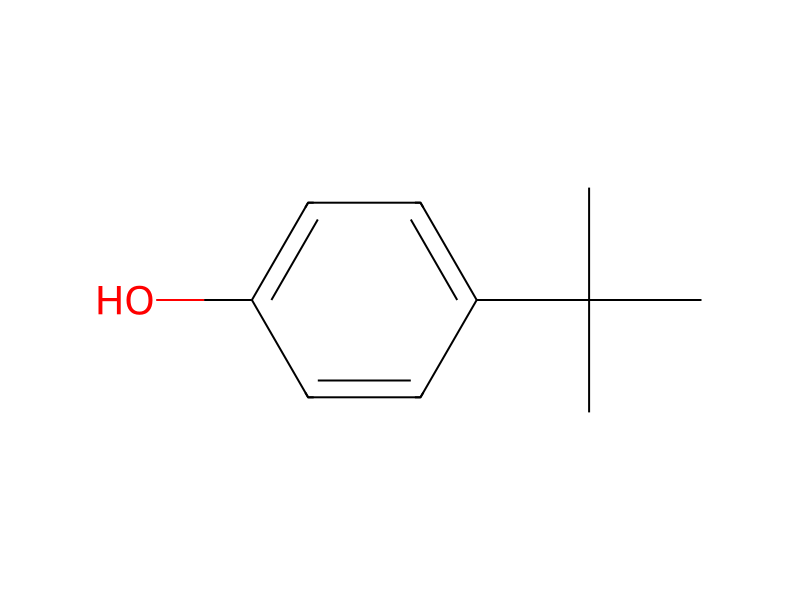






Procedure
Triphenylphosphine (13.11 g, 50.0 mmol) was added to a stirred solution of 1-(diphenylmethyl)-3-azetidinol (11.97 g, 50.0 mmol) and 4-tert-butylphenol (7.50 g, 50.0 mmol) in acetonitrile (200 mL). Diethyl azodicarboxylate (7.9 mL, 8.7 g, 50.0 mmol) was added dropwise to the solution with water cooling. The suspension was heated under reflux for 4 h, the solution allowed to cool and concentrated in vacuo. The gum was suspended in ether (200 mL), and the suspension was refrigerated overnight. The precipitated triphenylphosphine oxide was filtered off and washed with ether, and the combined filtrate and washings were concentrated. The solid residue was dissolved in dichloromethane (200 mL), and the solution was washed with 1-N sodium hydroxide (50 mL), dried (Na2SO4), and concentrated in vacuo. The crude product was purified by chromatography [SiO2; ethyl acetate-hexane (1:4)] and triturated with cyclohexane to give the title compound (9.39 g, 51%) as a white solid, m.p. 126-127° C. Found: C, 83.9; H, 7.9; N, 3.75. C26H29NO require C, 84.1; H, 7.9; N, 3.8%.
Workup
- temperatureThe suspension was heated
- temperatureunder reflux for 4 h
- temperatureto cool
- concentrationconcentrated in vacuo
- filtrationThe precipitated triphenylphosphine oxide was filtered off
- washwashed with ether
- concentrationthe combined filtrate and washings were concentrated
- dissolutionThe solid residue was dissolved in dichloromethane (200 mL)
- washthe solution was washed with 1-N sodium hydroxide (50 mL)
- dry with materialdried (Na2SO4)
- concentrationconcentrated in vacuo
- customThe crude product was purified by chromatography [SiO2; ethyl acetate-hexane (1:4)]
- customtriturated with cyclohexane
Sources & evidence
- ORD record
- ord-962e4b1dc68142d5b5a78a8191acbec1
- Source dataset
- uspto-grants-2003_02
- Patent number
- US06514961B1
Reaction notes
Loading…