Potassium Carbonate → (9H-Carbazol-4-yloxy)acetonitrile
Reaction equation

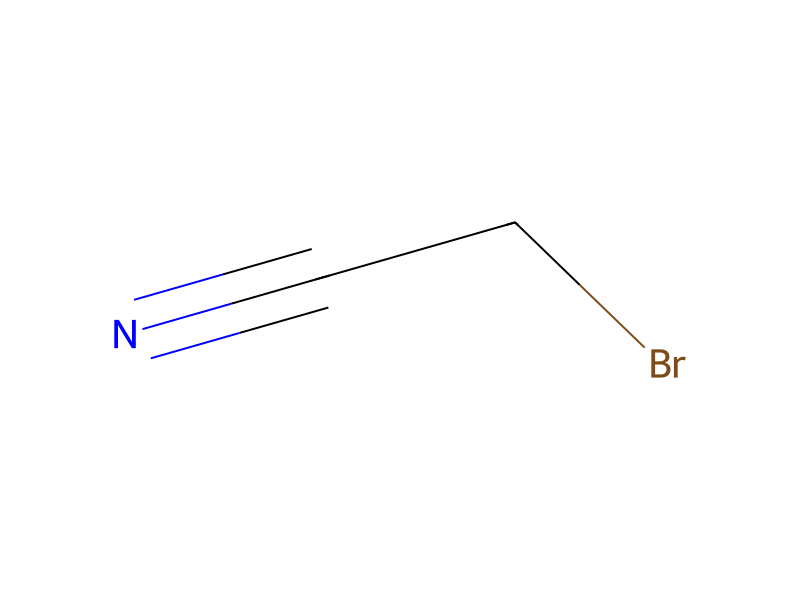
[CH:1]1[C:13]2[NH:12][C:11]3[C:6](=[CH:7][CH:8]=[CH:9][CH:10]=3)[C:5]=2[C:4]([OH:14])=[CH:3][CH:2]=1.C(=O)([O-])[O-].[K+].[K+].Br[CH2:22][C:23]#[N:24]>C(#N)C>[CH:1]1[C:13]2[NH:12][C:11]3[C:6](=[CH:7][CH:8]=[CH:9][CH:10]=3)[C:5]=2[C:4]([O:14][CH2:22][C:23]#[N:24])=[CH:3][CH:2]=1Participants
5
Reactant 3


Product 1

Reagents, catalysts & solvents 1

Procedure
To a mixture of 9H-carbazol-4-ol (1.1 g, 6.0 mmol) in acetonitrile (100 mL) is added potassium carbonate (1.66 g, 12 mmol) and bromoacetonitrile (0.42 mL, 6.0 mmol). The mixture is stirred at room temperature for 20 h. The mixture is partitioned between water and CH2Cl2. The layers are separated and the organic layer dried over anhydrous sodium sulfate, filtered and concentrated. Column chromatography, silica gel (100 mL), using CH2Cl2 as eluent gave 1.13 g (85%) of the title compound; 1H NMR (DMSO-d6) δ5.4, 6.81, 7.18, 7.36, 7.46, 8.09; Anal. Calcd for C14H10N2O: C, 75.66; H, 4.53; N, 12.60. Found: C, 75.18; H, 4.56; N, 12.54.
Workup
- customThe mixture is partitioned between water and CH2Cl2
- customThe layers are separated
- dry with materialthe organic layer dried over anhydrous sodium sulfate
- filtrationfiltered
- concentrationconcentrated
Sources & evidence
- ORD record
- ord-87edf34fdb684b83892f85548bb67d73
- Source dataset
- uspto-grants-2003_02
- Patent number
- US06514968B1
Reaction notes
Loading…