Anisole → Thexyldiisopropylchlorosilane
Reaction equation

[CH:1]([SiH:4]([CH:6]([CH3:8])[CH3:7])[Cl:5])([CH3:3])[CH3:2].[Cl-].[Al+3].[Cl-].[Cl-].[CH3:13][C:14](=[C:16]([CH3:18])[CH3:17])[CH3:15].C1(OC)C=CC=CC=1>>[C:14]([Si:4]([CH:6]([CH3:8])[CH3:7])([CH:1]([CH3:3])[CH3:2])[Cl:5])([CH:16]([CH3:18])[CH3:17])([CH3:15])[CH3:13]Participants
5
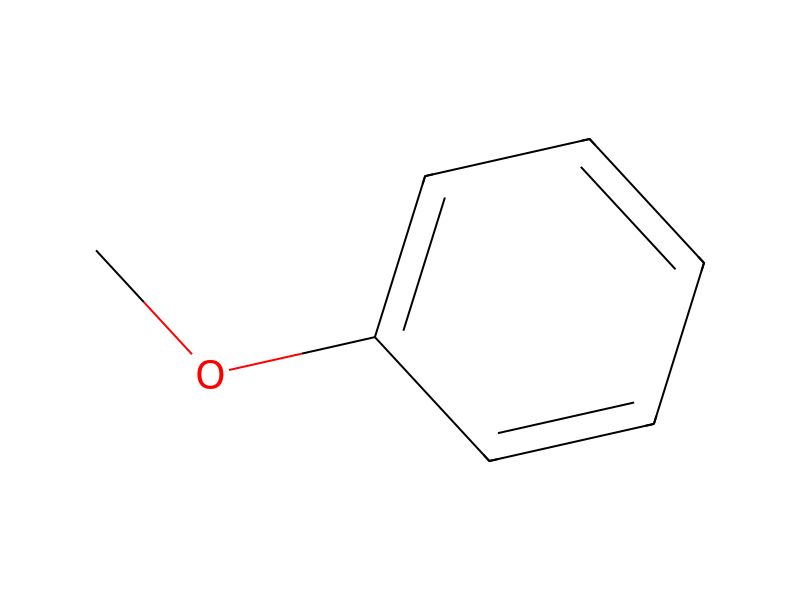




Conditions
- Temperature
- 50 °C
Procedure
A flask equipped with a stirrer, reflux condenser, dropping funnel and thermometer was charged with 30.1 g (0.2 mol) of diisopropylchlorosilane and 2.7 g (0.02 mol) of aluminum chloride and heated at 50° C. Once the internal temperature became constant, 16.8 g (0.2 mol) of 2,3-dimethyl-2-butene was added dropwise over one hour. After the completion of dropwise addition, the reaction solution was stirred for one hour at 50° C. The aluminum chloride was deactivated by adding 4.3 g (0.04 mol) of anisole. The reaction solution was distilled, collecting 28.3 g of a boiling point 79° C./133 Pa fraction.
Workup
- customA flask equipped with a stirrer
- temperaturereflux condenser
- additionAfter the completion of dropwise addition
- distillationThe reaction solution was distilled
- customcollecting 28.3 g of a boiling point 79° C./133 Pa fraction
Sources & evidence
- ORD record
- ord-02272b7f6574469ab60bf0e2aefa001c
- Source dataset
- uspto-grants-2003_02
- Patent number
- US06518447B2
Reaction notes
Loading…