Ethyl Acetate → Phenyl cyclopropylcarbamate
Reaction equation

[CH:1]1([NH2:4])[CH2:3][CH2:2]1.Cl[C:6]([O:8][C:9]1[CH:14]=[CH:13][CH:12]=[CH:11][CH:10]=1)=[O:7].C(OCC)(=O)C>C(Cl)(Cl)Cl.N1C=CC=CC=1>[CH:1]1([NH:4][C:6]([O:8][C:9]2[CH:14]=[CH:13][CH:12]=[CH:11][CH:10]=2)=[O:7])[CH2:3][CH2:2]1Participants
6
Reactant 3

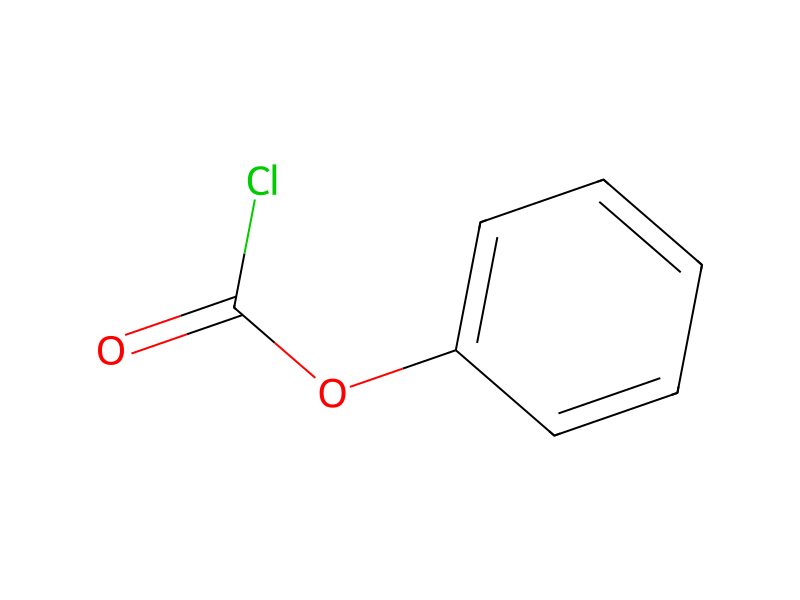

Product 1

Reagents, catalysts & solvents 2


Procedure
To a solution of cyclopropylamine (500 mg) in chloroform (5 ml) were added pyridine (1.04 mg) and a solution of phenyl chloroformate (1.65 g) in chloroform (2 ml) 0° C. and the reaction mixture was stirred at ambient temperature for 0.5 hour. To the mixture was added ethyl acetate and the solution was washed successively with water, a 5% aqueous citric acid solution, a saturated aqueous sodium hydrogen carbonate and brine, dried over anhydrous magnesium sulfate and concentrated in vacuo to give cyclopropylaminocarbonyloxybenzene (1.6 g) as a pale yellow powder.
Workup
- washthe solution was washed successively with water
- dry with materiala 5% aqueous citric acid solution, a saturated aqueous sodium hydrogen carbonate and brine, dried over anhydrous magnesium sulfate
- concentrationconcentrated in vacuo
Sources & evidence
- ORD record
- ord-f79059fa862b4d419ce3c55c9c00b7ad
- Source dataset
- uspto-grants-2005_11
- Patent number
- US06967197B2
Reaction notes
Loading…