Ethylene Oxide → Diethyl 2-vinylcyclopropane-1,1-dicarboxylate
Reaction equation

[C:1]([O:9][CH2:10][CH3:11])(=[O:8])[CH2:2][C:3]([O:5][CH2:6][CH3:7])=[O:4].C1OC1.[OH-].[K+].[CH2:17](Cl)/[CH:18]=[CH:19]/[CH2:20]Cl>C(Cl)Cl>[CH:18]([CH:19]1[CH2:20][C:2]1([C:3]([O:5][CH2:6][CH3:7])=[O:4])[C:1]([O:9][CH2:10][CH3:11])=[O:8])=[CH2:17]Participants
Reactant 4
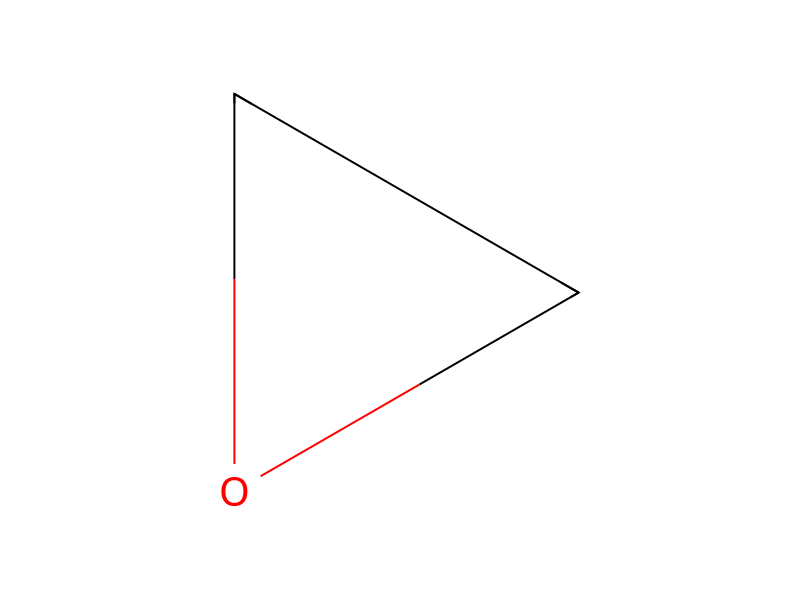
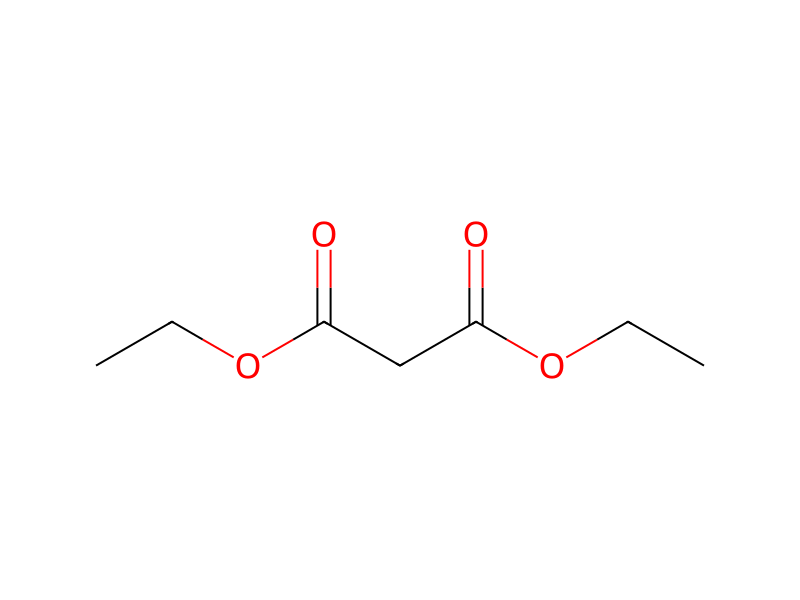


Product 1

Reagents, catalysts & solvents 1

Procedure
To demonstrate the versatility of the process, 16 g (0.1 mol) diethyl malonate and 62.55 g of a block copolymer of ethylene oxide and polypropylene oxide having an average molecular weight of about 13,300 (Pluronic® 127) were charged to a reactor. Methylene dichloride (100 mls.) and 11.2 g solid potassium hydroxide (90%) were added and the mixture vigorously agitated while maintaining the temperature at or below 35° C. The 1,4-dichlorobutene-2 (12.4 g; 0.1 mol) was then added over a 5 minute period. About 22% conversion to diethyl 2-vinylcyclopropane-1,1-dicarboxylate was obtained after one hour of reaction. The reaction was continued to obtain essentially complete conversion of the reactants to the desired vinylcyclopropane product.
Workup
- additionwere charged to a reactor
- temperaturewhile maintaining the temperature at or below 35° C
Sources & evidence
- ORD record
- ord-85e8ffaad84442b28037fccc2d2634c5
- Source dataset
- uspto-grants-1982_05
- Patent number
- US04328169
Reaction notes
Loading…