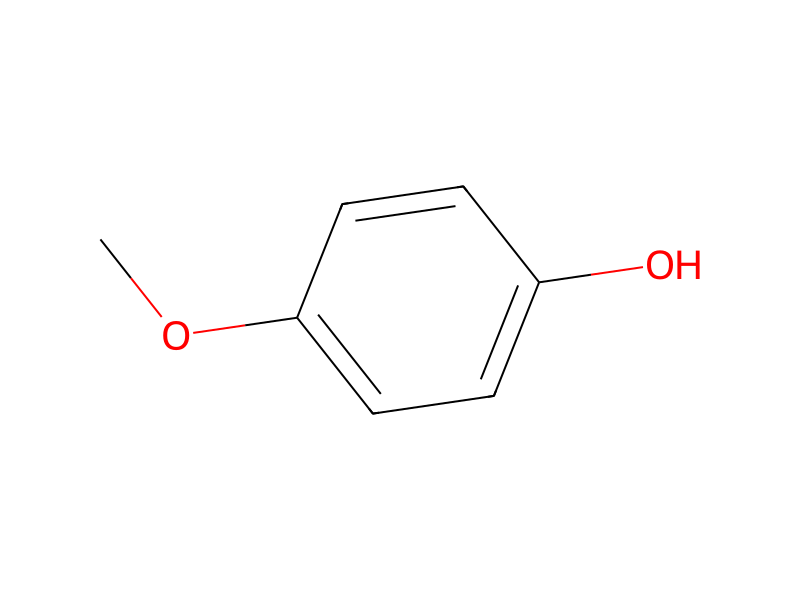
4-Methoxyphenol → Urethane acrylate
Reaction equation

[C:1]([O-:14])(=[O:13])[CH2:2][CH2:3]CCCCCCC[CH2:11][CH3:12].[C:15]([O-:28])(=[O:27])CCCCCCCCCCC.C([Sn+2]CCCC)CCC.COC1C=CC(O)=CC=1.O=C=[N:49]C1CC(C)(C)CC(C)(CN=C=O)C1>>[C:1]([OH:14])(=[O:13])[CH:2]=[CH2:3].[NH2:49][C:15]([O:28][CH2:11][CH3:12])=[O:27]Participants
4


Conditions
- Temperature
- 95 °C
Procedure
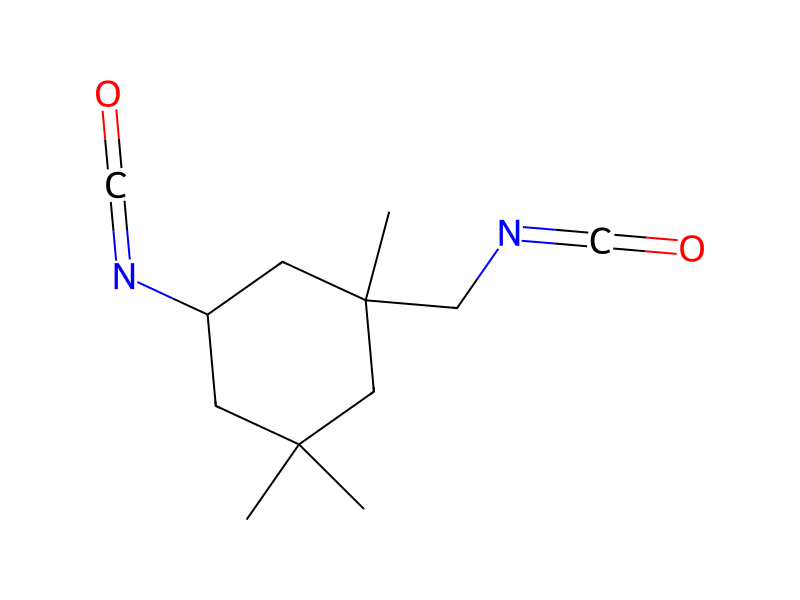
To a reactor, 0.73 g of dibutyltin dilaurate, 0.64 g of 4-methoxyphenol, and 222.0 g of isophorone diisocyanate were charged. The mixture was stirred and air sparge was applied while stirring. 116.0 g of hydroxyethyl acrylate was added slowly to the stirring mixture. The mixture was stirred at 60° C. for 4 hours, then 266.0 g of the reaction product of tetrahydrophthalic anhydride and a mixture of ethylene and propylene glycols, available commercially from Great Lakes Chemical Company as “PHT4-diol,”was added and the temperature was increased to 95° C. The reaction was kept at 95° C. for 4 hours before discharge. The viscous liquid become solids upon cooling to room temperature.
Workup
- customair sparge
- stirringwhile stirring
- addition116.0 g of hydroxyethyl acrylate was added slowly to the stirring mixture
- stirringThe mixture was stirred at 60° C. for 4 hours
- addition266.0 g of the reaction product of tetrahydrophthalic anhydride and a mixture of ethylene and propylene glycols
- additionavailable commercially from Great Lakes Chemical Company as “PHT4-diol,”was added
- temperatureupon cooling to room temperature
Sources & evidence
- ORD record
- ord-7b16ca7cf848439b9fbfc42443366357
- Source dataset
- uspto-grants-2001_06
- Patent number
- US06242506B1
Reaction notes
Loading…