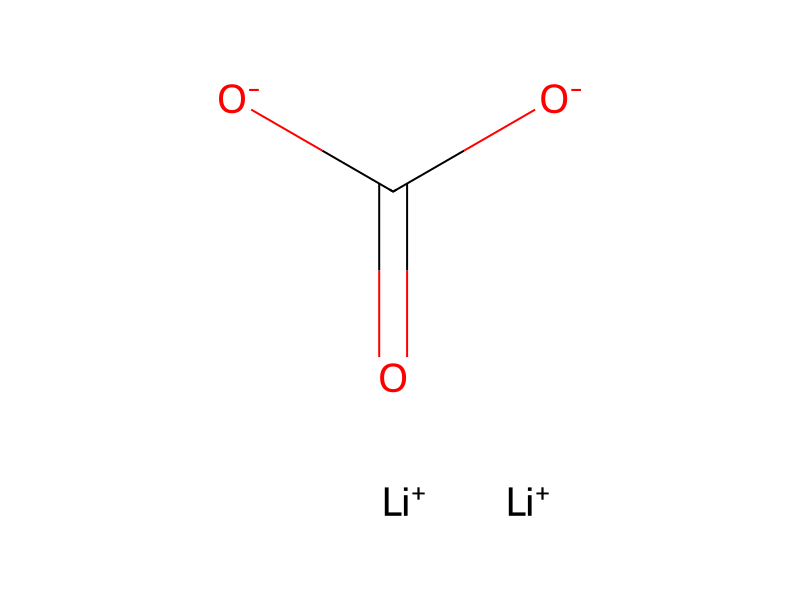
Lithium Carbonate → HCID 21196126, compound
Reaction equation

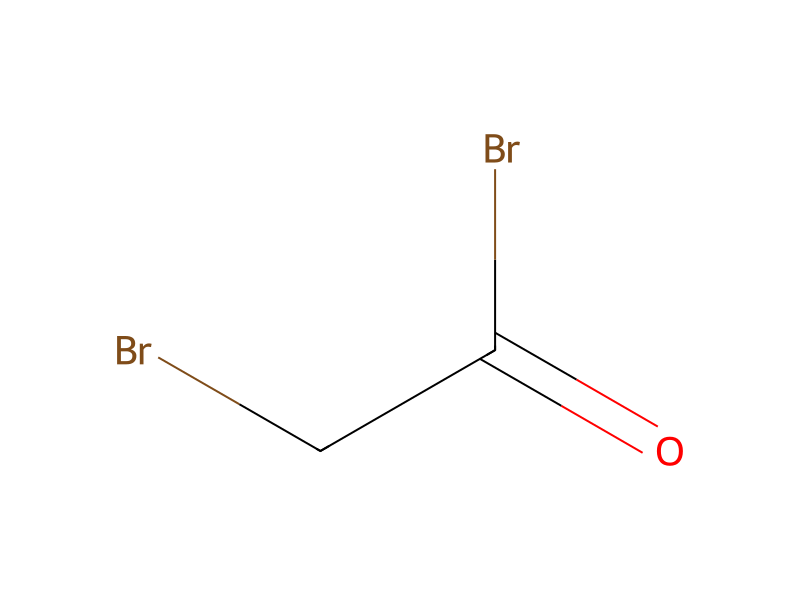
[Br:1][CH2:2][C:3](Br)=[O:4].[Cl:6][C:7]1[CH:23]=[CH:22][C:10]([O:11][CH2:12][C:13]2[NH:14][C:15]3[C:20]([CH:21]=2)=[CH:19][CH:18]=[CH:17][CH:16]=3)=[CH:9][CH:8]=1.C(=O)([O-])[O-].[Li+].[Li+]>C(OCC)C>[Cl:6][C:7]1[CH:8]=[CH:9][C:10]([O:11][CH2:12][C:13]2[NH:14][C:15]3[C:20]([C:21]=2[C:3](=[O:4])[CH2:2][Br:1])=[CH:19][CH:18]=[CH:17][CH:16]=3)=[CH:22][CH:23]=1Participants
5
Reactant 3

Product 1

Reagents, catalysts & solvents 1

Conditions
- Temperature
- 55 °C
Procedure
Under a nitrogen atmosphere bromoacetylbromide (1.31 ml, 0.015 mol) was added to a slurry of 2-[4-chlorophenoxymethyl]-1H-indole (0.81 g, 0.003 mol), and lithium carbonate (2.22 g, 0.03 mol) in diethyl ether (37.5 ml). The resulting mixture was heated to 55° C. The progress of the reaction was monitored by thin layer chromatography. The reaction mixture was partitioned between diethyl ether and a sodium bicarbonate solution. The organic fraction was washed with water and then brine, and then dried over sodium sulfate. The solvents were removed in vacuo. Yield: 1.34 g. NMR was consistent with the proposed title structure.
Workup
- customThe reaction mixture was partitioned between diethyl ether
- washThe organic fraction was washed with water
- dry with materialbrine, and then dried over sodium sulfate
- customThe solvents were removed in vacuo
Sources & evidence
- ORD record
- ord-67ae0ecfb3b74363ba4ddab8616fd771
- Source dataset
- uspto-grants-2001_06
- Patent number
- US06245761B1
Reaction notes
Loading…