Hydrogen Peroxide → HCID 178488147, compound
Reaction equation

[OH-].[Na+].Cl.[CH3:4][O:5][C:6]1[CH:26]=[CH:25][C:9]2[NH:10][C:11]([S:13][CH2:14][C:15]3[C:20]([CH3:21])=[C:19]([O:22][CH3:23])[C:18]([CH3:24])=[CH:17][N:16]=3)=[N:12][C:8]=2[CH:7]=1.C1(=O)OC(=[O:31])C2=CC=CC=C12.C(=O)([O-])[O-].[Na+].[Na+].OO>ClCCl.O>[CH3:24][C:18]1[CH:17]=[N:16][C:15]([CH2:14][S+:13]([O-:31])[C:11]2[NH:10][C:9]3[CH:25]=[CH:26][C:6]([O:5][CH3:4])=[CH:7][C:8]=3[N:12]=2)=[C:20]([CH3:21])[C:19]=1[O:22][CH3:23]Participants
8







Procedure
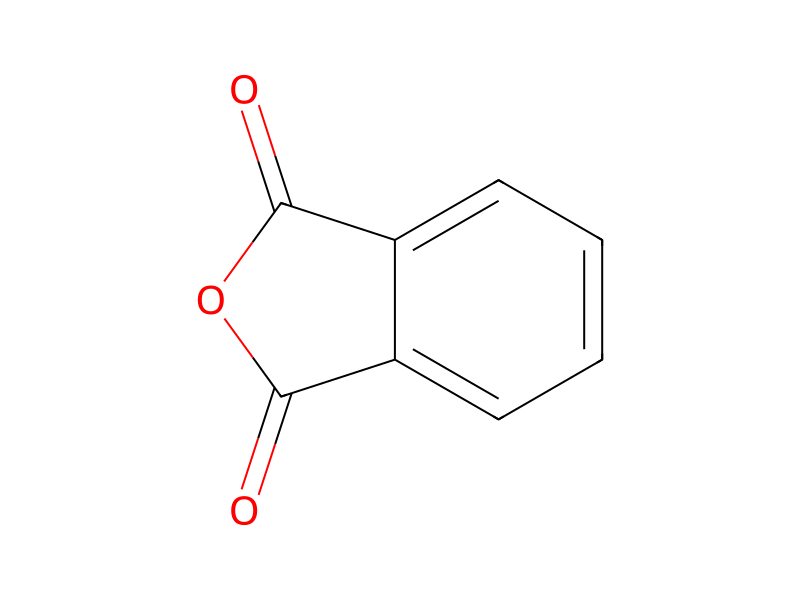
Sodium hydroxide solution (5%, 100 ml) was added to a suspension of 36.50 gm of 5-methoxy-2-[(3,5-dimethyl-4-methoxy-2-pyridinyl)methylthio]-1H-benzimidazole hydrochloride (X) in DCM (200 ml) and stirred for 10 mins. The DCM (dichloromethane) layer was separated and to it was added phthalic anhydride (20 gm, 0.135 mole). The reaction mixture was cooled and to it was added sodium carbonate (18 gm) and water 20 ml. Hydrogen peroxide (45%, 12 ml) was added dropwise at −5 to 0° C. when the reaction was complete it was worked-up as in Example-9 to yield 29.4 gm of Omeprazole. Yield 85.90%.
Workup
- customThe DCM (dichloromethane) layer was separated and to it
- temperatureThe reaction mixture was cooled and to it
Sources & evidence
- ORD record
- ord-99d161a5430c49c29dd6dfaca3d46216
- Source dataset
- uspto-grants-2001_06
- Patent number
- US06245913B1
Reaction notes
Loading…