Pyridine → HCID 14648786, compound
Reaction equation

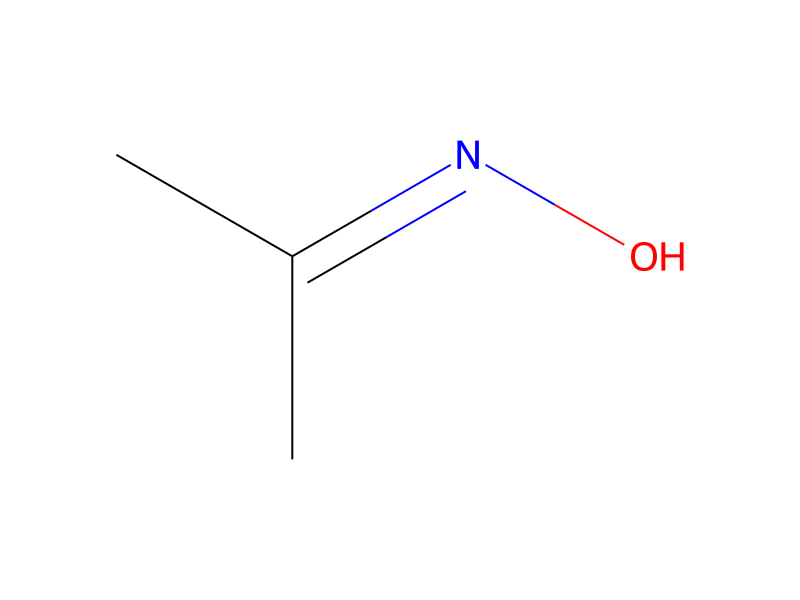
[CH3:1][O:2][C:3]1[CH:8]=[C:7]([O:9][CH3:10])[N:6]=[C:5]([O:11][C:12]2[C:13]([C:18]([OH:20])=[O:19])=[N:14][CH:15]=[CH:16][CH:17]=2)[N:4]=1.[CH3:21][C:22](=[N:24]O)[CH3:23].N1C=CC=CC=1.ClOP(=O)(OCl)N(C)C>CN(C)C=O.O>[CH3:10][O:9][C:7]1[CH:8]=[C:3]([O:2][CH3:1])[N:4]=[C:5]([O:11][C:12]2[C:13]([C:18]([O:20][N:24]=[C:22]([CH3:23])[CH3:21])=[O:19])=[N:14][CH:15]=[CH:16][CH:17]=2)[N:6]=1Participants
7
Reactant 4



Product 1

Reagents, catalysts & solvents 2


Procedure
3.0 g of 3-(4,6-dimethoxypyrimidin-2-yl)oxypicolinic acid, 3.96 g of acetoxime and 1.71 g of pyridine were dissolved in 20 ml of N,N-dimethylformamide, and then, 3.51 g of dichloro-N,N-dimethylphosphoric acid amide was dropwise added thereto at 0° C. After the dropwise addition, the mixture was stirred at room temperature for 3 hours to complete the reaction. The reaction solution was poured into water. Precipitated crystals were separated by filtration, then washed with water and dried to obtain 2.20 g of the above identified compound as white crystals.
Workup
- customat 0° C
- additionAfter the dropwise addition
- customthe reaction
- customPrecipitated crystals
- customwere separated by filtration
- washwashed with water
- customdried
- customto obtain 2.20 g of the
Sources & evidence
- ORD record
- ord-db6ee62b6f264d358dc629b05de90fdf
- Source dataset
- uspto-grants-1990_11
- Patent number
- US04969949
Reaction notes
Loading…