Ethylacrolein → Diethyl 5-ethylpyridine-2,3-dicarboxylate
Reaction equation

[CH2:1]([C:3](=[CH2:6])[CH:4]=O)[CH3:2].[NH2:7][C:8]([C:15]([O:17][CH2:18][CH3:19])=[O:16])=[CH:9][C:10]([O:12][CH2:13][CH3:14])=[O:11]>Cl.CNC.O>[CH2:1]([C:3]1[CH:4]=[C:9]([C:10]([O:12][CH2:13][CH3:14])=[O:11])[C:8]([C:15]([O:17][CH2:18][CH3:19])=[O:16])=[N:7][CH:6]=1)[CH3:2]Participants
5
Reactant 2


Product 1

Reagents, catalysts & solvents 2
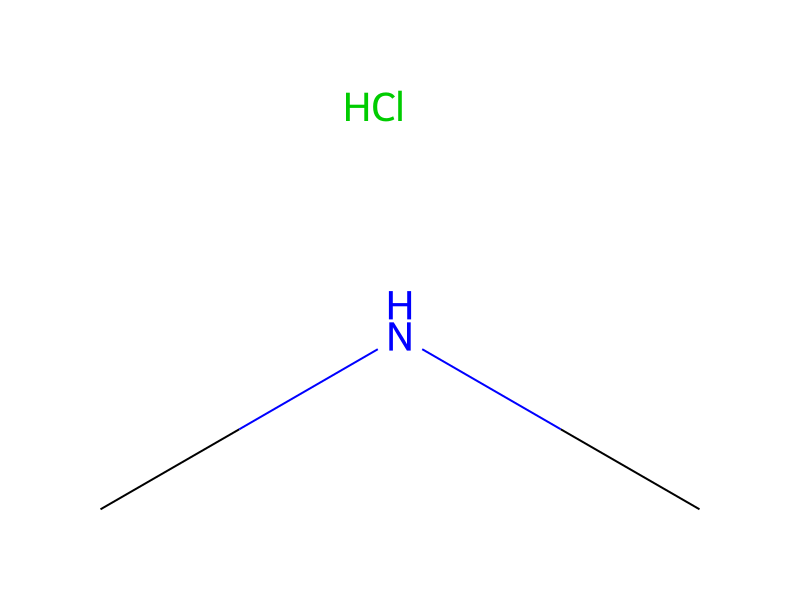

Conditions
- Temperature
- 50 °C
Procedure
In a 500 ml four neck distillation flask with a reflux condenser were placed 2-ethyl-2-propenal 100 g (1.19 mol) and dimethylamine hydrochloride 2.0 g, and heated on an oil bath. When the inside temperature reached 90° C., ethyl β-amino-β-ethoxycarbonylacrylate 200 g (1.07 mol) was added dropwise thereto at 90° to 95° C. over a period of 4 hours. After completion of the dropping, the mixture was heated at 90° to 95° C. for 10 hours. Then, the reaction mixture was cooled to 50° C., and 30 ml of water was added thereto. The mixture was then allowed to stand still to separate into a water layer and an oil layer. The oil layer was distilled to give 123.0 g of 5-ethyl-2,3-diethoxycarbonylpyridine.
Workup
- distillationIn a 500 ml four neck distillation flask with a reflux condenser
- temperatureheated on an oil bath
- customreached 90° C.
- temperatureAfter completion of the dropping, the mixture was heated at 90° to 95° C. for 10 hours
- customto separate into a water layer
- distillationThe oil layer was distilled
Sources & evidence
- ORD record
- ord-7c1b1247c5e5444b9c25ecdcbd5c9484
- Source dataset
- uspto-grants-1990_11
- Patent number
- US04973695
Reaction notes
Loading…