Ammonia → POLY(VINYL ACETATE-CO-CROTONIC ACID)
Reaction equation

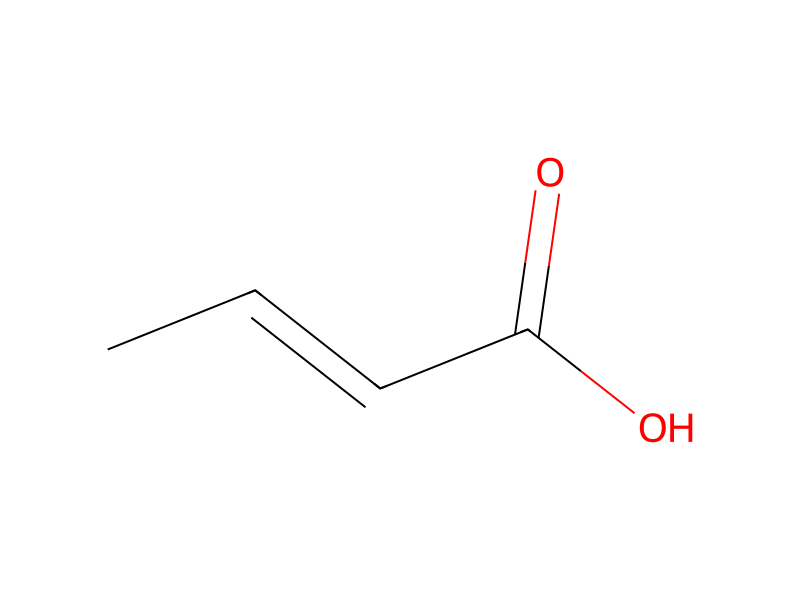
N.[C:2]([OH:7])(=[O:6])/[CH:3]=[CH:4]/[CH3:5].[C:8]([O:11][CH:12]=[CH2:13])(=[O:10])[CH3:9]>>[C:8]([O:11][CH:12]=[CH2:13])(=[O:10])[CH3:9].[C:2]([OH:7])(=[O:6])/[CH:3]=[CH:4]/[CH3:5]Participants



Procedure
A series of vinyl acetate-crotonic acid interpolymers is prepared by the method of example 1 with variation in the following parameters; acid monomer content, polyvinyl alcohol content, the amount of ammonia added with crotonic acid during the suspension polymerization, and the amount of ammonia added for the final pH adjustment at the stage of latex formation. The results are presented in table 1. In examples 9, 10, 11 and 14, all the crotonic acid is added initially; however ammonia is added incrementally during the suspension polymerization step. In example 14, ammonia is also added to the initial polymerization mixture. Because of low conversion of vinyl acetate, the crotonic acid content of the interpolymer is generally about 15 percent higher than theoretical based on the crotonic acid charged to the reaction kettle.
Workup
- custompolymerization mixture
- additioncharged to the reaction kettle
Sources & evidence
- ORD record
- ord-d048d808d6714c408bb9dc31fb6a4924
- Source dataset
- uspto-grants-1983_07
- Patent number
- US04394479
Reaction notes
Loading…