2-Nitrophenol → 4-Nitrophenol
Reaction equation

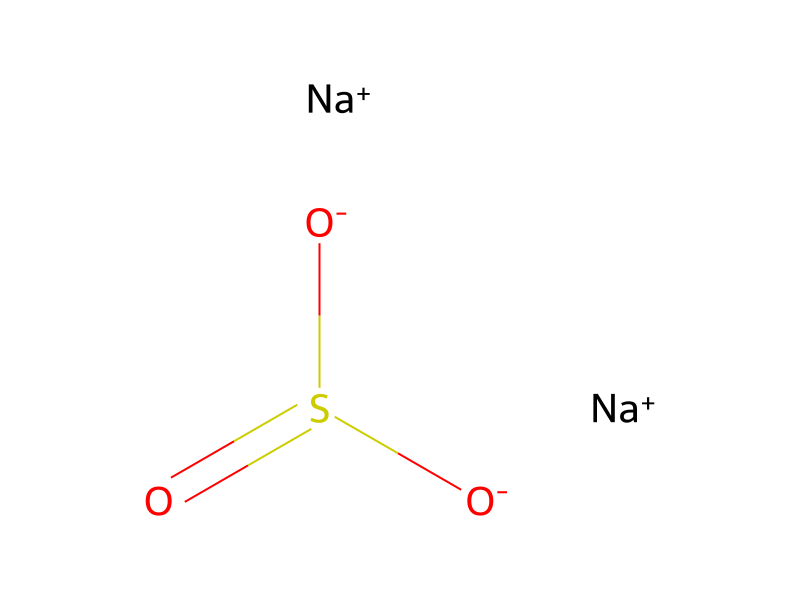
[N+:1]([C:4]1[CH:9]=[CH:8][CH:7]=[CH:6][C:5]=1O)([O-:3])=[O:2].S([O-])([O-])=[O:12].[Na+].[Na+]>>[CH:9]1[C:4]([N+:1]([O-:3])=[O:2])=[CH:5][CH:6]=[C:7]([OH:12])[CH:8]=1Participants
Reactant 2

Product 1

Procedure
The pH of the aqueous distillation residue can be adjusted by addition of acid or alkali. According to a preferred procedure, the slightly acid organic solution containing the nitrophenol isomers is neutralised by means of an aqueous solution of sodium sulphite the solvent followed by the o-nitrophenol are then removed to leave a slightly alkaline aqueous distillation residue of p-nitrophenol, to which a suitable amount of acid is added to adjust the pH. The acid may be a strong inorganic acid such as sulphuric acid or phosphoric acid or an organic acid such as acetic acid. The pH is preferably adjusted to 5.8 to 6.1 but in practice, it is very particularly recommended to adjust the pH of the aqueous solution of para-nitrophenol to pH 6.
Workup
- additionThe pH of the aqueous distillation residue can be adjusted by addition of acid
- customare then removed
Sources & evidence
- ORD record
- ord-381bcb72520d4abfb8d99d7459e8821c
- Source dataset
- uspto-grants-1976_05
- Patent number
- US03954892
Reaction notes
Loading…