Sorbitol → HCID 131710197, compound
Reaction equation

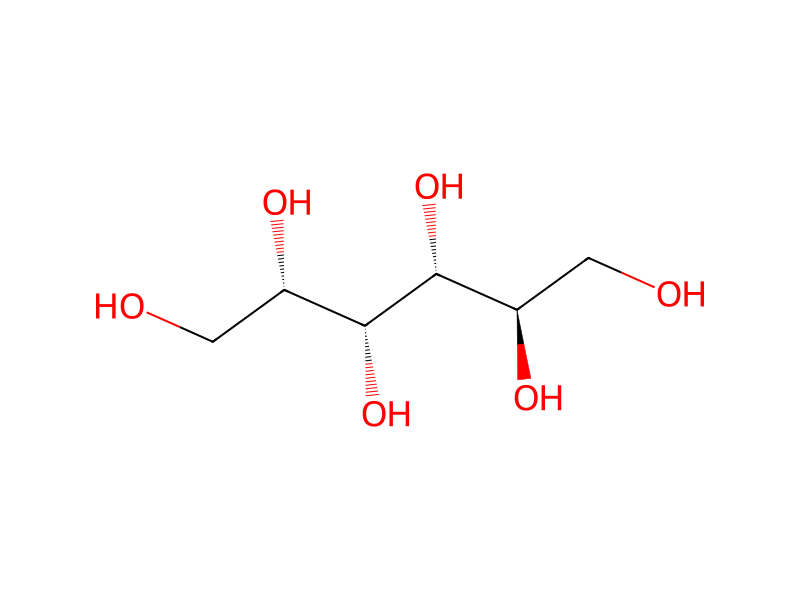
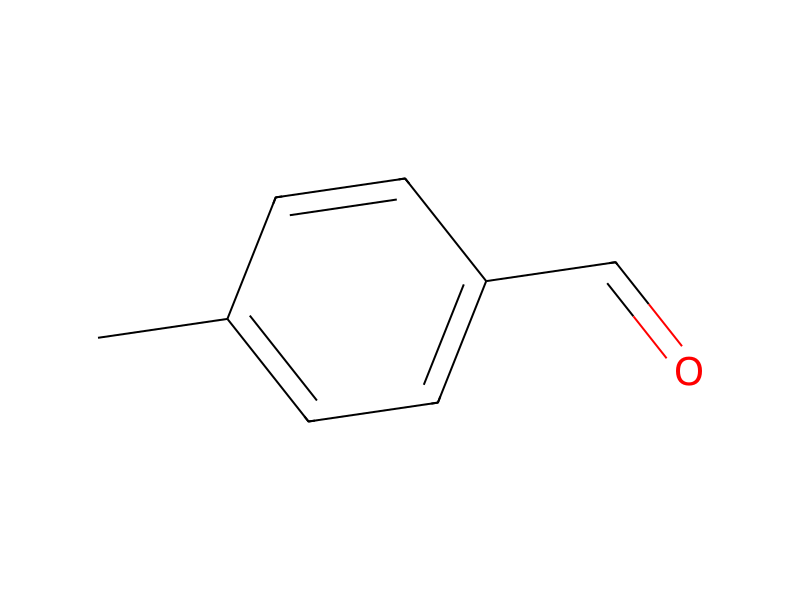
[CH:1](=[C:8]([C@@H:10]([C@H:12]([C@@H:14]([C@@H:16]([CH2:18][OH:19])[OH:17])[OH:15])[OH:13])[OH:11])[OH:9])[C:2]1[CH:7]=[CH:6][CH:5]=[CH:4][CH:3]=1.O[CH2:21][C@@H]([C@H]([C@@H]([C@@H](CO)O)O)O)O.C1(C)C=CC(C=O)=CC=1>C1CCCCC1>[CH3:21][C@:10]([C@H:12]([C@@H:14]([C@@H:16]([CH2:18][OH:19])[OH:17])[OH:15])[OH:13])([OH:11])[C:8](=[CH:1][C:2]1[CH:3]=[CH:4][CH:5]=[CH:6][CH:7]=1)[OH:9]Participants
5
Reactant 3

Product 1

Reagents, catalysts & solvents 1

Procedure
The methyl benzylidene sorbitol was prepared in like manner as the benzylidene sorbitol in the foregoing Example 1. in which 32.0 g of 70% sorbitol, 44.3 g of para-tolualdehyde and 580 ml of cyclohexane were used. The acetal value of the reaction product in white powder from was about 345 which corresponds to the combination ratio of 3.0 moles of paratolualdehyde per 1 mole of sorbitol.
Sources & evidence
- ORD record
- ord-517ef710c8114736b41c8723f7dc26cd
- Source dataset
- uspto-grants-1976_05
- Patent number
- US03955997
Reaction notes
Loading…