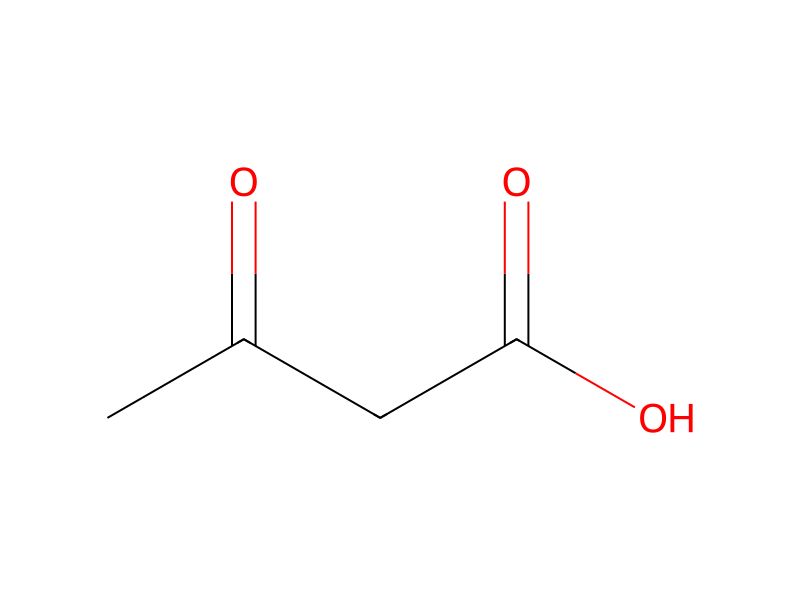
Acetoacetic Acid → HCID 25165906, compound
Reaction equation

CC([CH2:4][C:5]([OH:7])=[O:6])=O.[C:8]1([CH:15]=[CH:14][C:12]([OH:13])=[CH:11][CH:10]=1)[OH:9]>>[C:5]([OH:7])(=[O:6])[CH3:4].[C:5]([OH:7])(=[O:6])[CH3:4].[C:8]1([CH:15]=[CH:14][C:12]([OH:13])=[CH:11][CH:10]=1)[OH:9]Participants
3


Procedure
The diacetate of hydroquinone had a tendency to sublime into the distillation column. It was, therefore, necessary to charge the reactor in such a way so as to make up for this loss of the diacetate of hydroquinone. The highest intrinsic viscosity was obtained when a 1.6% molar excess of hydroquinone diacetate was employed. Air was used to cool the condenser, since water cooling caused more sublimate to form in the condensation column. Excess sublimate in the distillation path would eventually inhibit the formation of high vacuum in the latter stages of the polymerization reaction.
Workup
- distillationto sublime into the distillation column
- additionnecessary to charge the reactor in such a way so as
Sources & evidence
- ORD record
- ord-397c6351db58475688a42625640a44e9
- Source dataset
- uspto-grants-1996_08
- Patent number
- US05545686
Reaction notes
Loading…