Ammonia → HCID 18960789, compound
Reaction equation

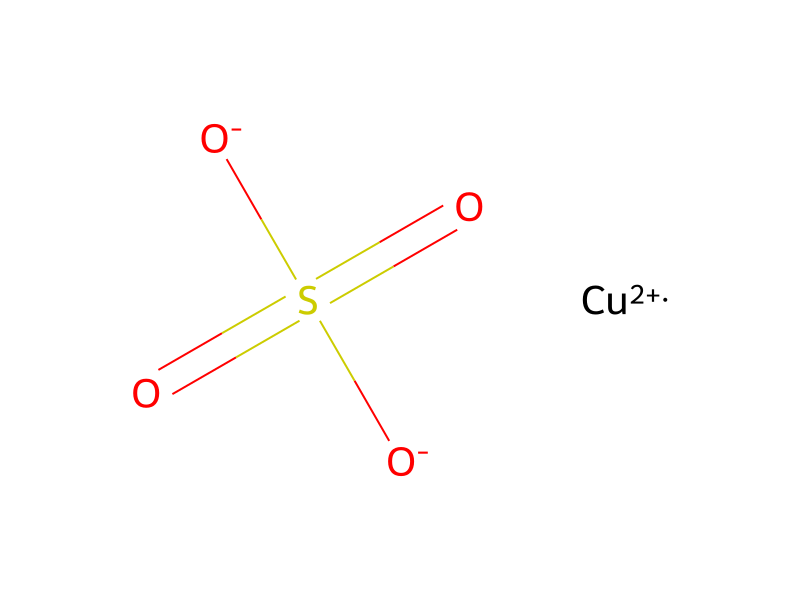
Br[C:2]1[C:3]([C:11]([OH:13])=[O:12])=[CH:4][C:5]([C:8]([OH:10])=[O:9])=[N:6][CH:7]=1.[NH3:14]>S([O-])([O-])(=O)=O.[Cu+2]>[NH2:14][C:2]1[C:3]([C:11]([OH:13])=[O:12])=[CH:4][C:5]([C:8]([OH:10])=[O:9])=[N:6][CH:7]=1Participants
4
Reactant 2


Product 1

Reagents, catalysts & solvents 1
Conditions
- Temperature
- 160 °C
Procedure
A mixture of 500 mg of 5-bromo-pyridine-2,4-dicarboxylic acid from Example 2, 100 mg of copper sulfate and 20 ml of ammonia solution (d=0.91) is heated at 160° C. in an autoclave for 4 hours. The solution is evaporated to dryness, the solid is heated with a little methanol and the insoluble material is removed from the solution. After 20 hours, a white solid precipitates out at 0° C. and is filtered off and dried.
Workup
- customThe solution is evaporated to dryness
- temperaturethe solid is heated with a little methanol
- customthe insoluble material is removed from the solution
- customa white solid precipitates out at 0° C.
- filtrationis filtered off
- customdried
Sources & evidence
- ORD record
- ord-40334f8fff874de1804d943a41794fba
- Source dataset
- uspto-grants-1991_04
- Patent number
- US05004748
Reaction notes
Loading…