Ethylene Glycol → 2-(2-Hydroxyethoxy)-1-acetylaminobenzene
Reaction equation

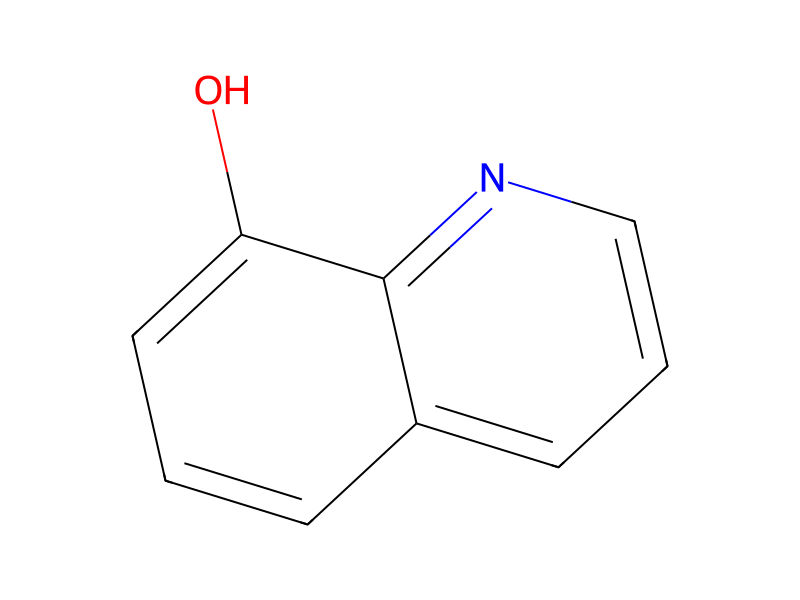
[H-].[Na+].OC1C=CC=C2C=1N=CC=C2.Br[C:15]1[CH:20]=[CH:19][CH:18]=[CH:17][C:16]=1[NH:21][C:22](=[O:24])[CH3:23].[CH2:25]([OH:28])[CH2:26][OH:27]>>[OH:27][CH2:26][CH2:25][O:28][C:15]1[CH:20]=[CH:19][CH:18]=[CH:17][C:16]=1[NH:21][C:22](=[O:24])[CH3:23]Participants
5




Procedure
440 mg of sodium hydride solution (concentration 40%) was added portionwise to 30 ml of ethylene glycol. After abating of the froth occurred, 50 mg of cuprous chloride, 75 mg of 8-hydroxyquinoline and 1.07 g of 2-bromo-1-acetylamino-benzene were added to the solution and the mixture was heated at 70° to 80° C. for 50 minutes. The reaction mixture was treated in a usual manner, and then crystallization was effected from a solvent mixture of n-hexane and ethyl acetate to give 720 mg of the desired compound. Yield: 74%, melting point: 89°-91° C.
Workup
- temperaturethe mixture was heated at 70° to 80° C. for 50 minutes
- additionThe reaction mixture was treated in a usual manner
- customcrystallization
- additionwas effected from a solvent mixture of n-hexane and ethyl acetate
Sources & evidence
- ORD record
- ord-2a01007df3de44e4a56cc5d1a62cb034
- Source dataset
- uspto-grants-1991_04
- Patent number
- US05006660
Reaction notes
Loading…