Oxalic Acid → Doxorubicin Hydrochloride
Reaction equation

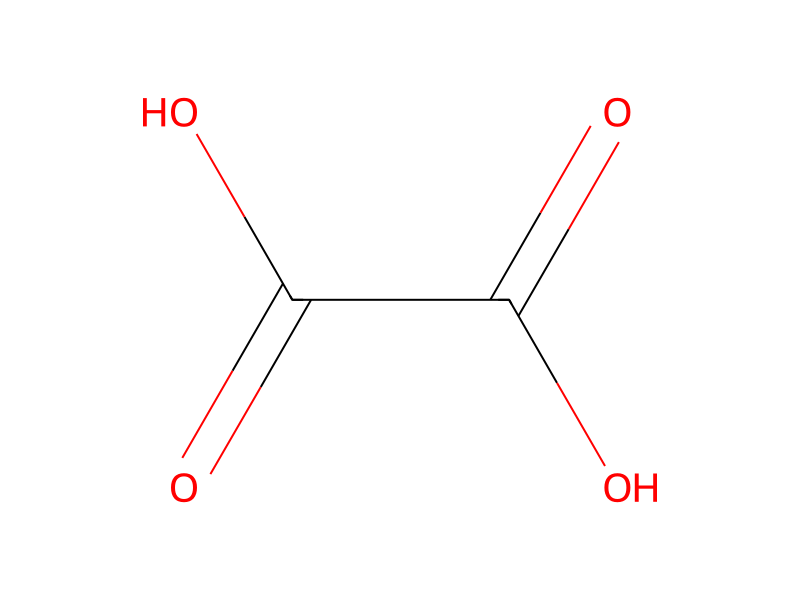
C[C@@H]1O[C@@H](O[C@@H]2C3=C(O)C4C(=O)C5C(=CC=CC=5OC)C(=O)C=4C(O)=C3C[C@@](O)(C(C)=O)C2)C[C@H](N)[C@@H]1O.[ClH:39].C(O)(=O)C(O)=O.C(=O)(O)[O-].[Na+].[CH3:51][C@@H:52]1[O:57][C@@H:56]([O:58][C@@H:59]2[C:64]3=[C:65]([OH:82])[C:66]4[C:78](=[O:79])[C:77]5[C:72](=[CH:73][CH:74]=[CH:75][C:76]=5[O:80][CH3:81])[C:70](=[O:71])[C:67]=4[C:68]([OH:69])=[C:63]3[CH2:62][C@@:61]([OH:87])([C:83]([CH2:85][OH:86])=[O:84])[CH2:60]2)[CH2:55][C@H:54]([NH2:88])[C@@H:53]1[OH:89]>O>[CH3:51][C@@H:52]1[O:57][C@@H:56]([O:58][C@@H:59]2[C:64]3=[C:65]([OH:82])[C:66]4[C:78](=[O:79])[C:77]5[C:72](=[CH:73][CH:74]=[CH:75][C:76]=5[O:80][CH3:81])[C:70](=[O:71])[C:67]=4[C:68]([OH:69])=[C:63]3[CH2:62][C@@:61]([OH:87])([C:83]([CH2:85][OH:86])=[O:84])[CH2:60]2)[CH2:55][C@H:54]([NH2:88])[C@@H:53]1[OH:89].[ClH:39]Participants
Reactant 4



Product 1

Reagents, catalysts & solvents 1

Procedure
3 g of 14-bromo daunorubicin 13,13-diethoxy ketal, prepared as described in Example 2 from 2.5 g of daunorubicin hydrochloride and isolated by filtration after trituration with a small volume of water, was stirred overnight at 25°-30° C. in 150 ml of a 5% aqueous solution of oxalic acid, at which time hydrolysis of the ketal group was complete. The pH was adjusted to 3.5 using a 5% solution of sodium bicarbonate and then the reaction mixture was kept at 50° C. for 2 days, after which time quantitative HPLC analysis (using the conditions of USP XXI) of the reaction mixture showed the presence of 1.75 g of doxorubicin (as the free substance). Isolation by preparative HPLC using a RP-18 reverse-phase silica gel column gave 1.5 g of doxorubicin hydrochloride having a purity of 98.9%.
Sources & evidence
- ORD record
- ord-ec85956ec6de4fd7bd4275799a2f2d31
- Source dataset
- uspto-grants-1991_04
- Patent number
- US05008380
Reaction notes
Loading…