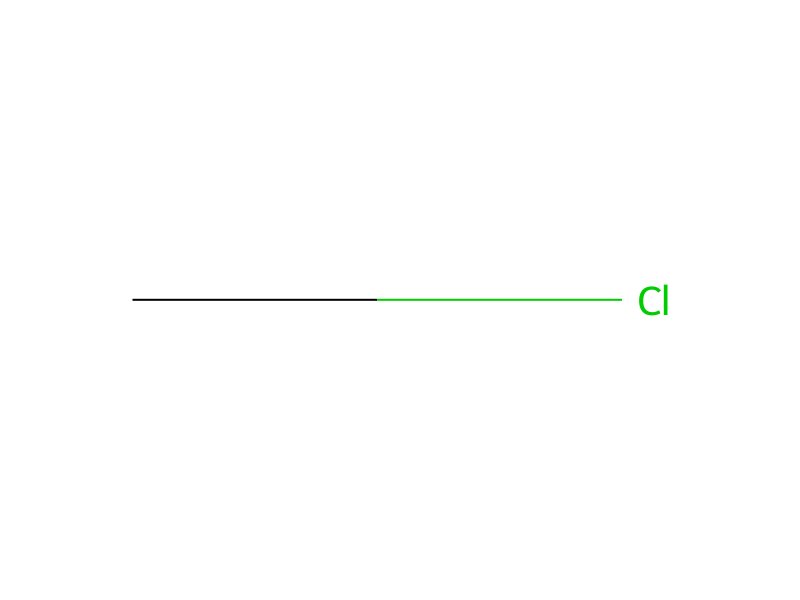
Methyl Chloride → 6-Benzoyl-(6H)-dibenz[c,e][1,2]oxaphosphorin 6-oxide
Reaction equation

[C:1](Cl)(=[O:8])[C:2]1[CH:7]=[CH:6][CH:5]=[CH:4][CH:3]=1.C[O:11][P:12]1[C:17]2[CH:18]=[CH:19][CH:20]=[CH:21][C:16]=2[C:15]2[CH:22]=[CH:23][CH:24]=[CH:25][C:14]=2[O:13]1.CCl>C1(C)C=CC=CC=1>[C:1]([P:12]1(=[O:11])[C:17]2[CH:18]=[CH:19][CH:20]=[CH:21][C:16]=2[C:15]2[CH:22]=[CH:23][CH:24]=[CH:25][C:14]=2[O:13]1)(=[O:8])[C:2]1[CH:7]=[CH:6][CH:5]=[CH:4][CH:3]=1Participants
5
Reactant 3


Product 1

Reagents, catalysts & solvents 1

Conditions
- Temperature
- 130 °C
Procedure
56 g (0.399 mol) of benzoyl chloride were warmed to 80° to 85° C. under a nitrogen atmosphere. 92 g (0.4 mol) of 6-methoxy-(6H)-dibenz[c,e][1,2]oxaphosphorin were added dropwise over the course of 90 minutes while stirring. The temperature was then increased in steps to 130° C. It was kept at this temperature until evolution of methyl chloride could no longer be detected. The residue was digested with 70 ml of toluene at room temperature. 116 g (90% of theory) of the abovementioned compound, which, after rapid recrystallization from ethanol, had a melting point of 134° to 135° C.
Workup
- custom116 g (90% of theory) of the abovementioned compound, which, after rapid recrystallization from ethanol
Sources & evidence
- ORD record
- ord-89013759b44e43e2b1e5772b45afc206
- Source dataset
- uspto-grants-1991_04
- Patent number
- US05008426
Reaction notes
Loading…