Phosphoric Acid → Tricalcium Phosphate
Reaction equation

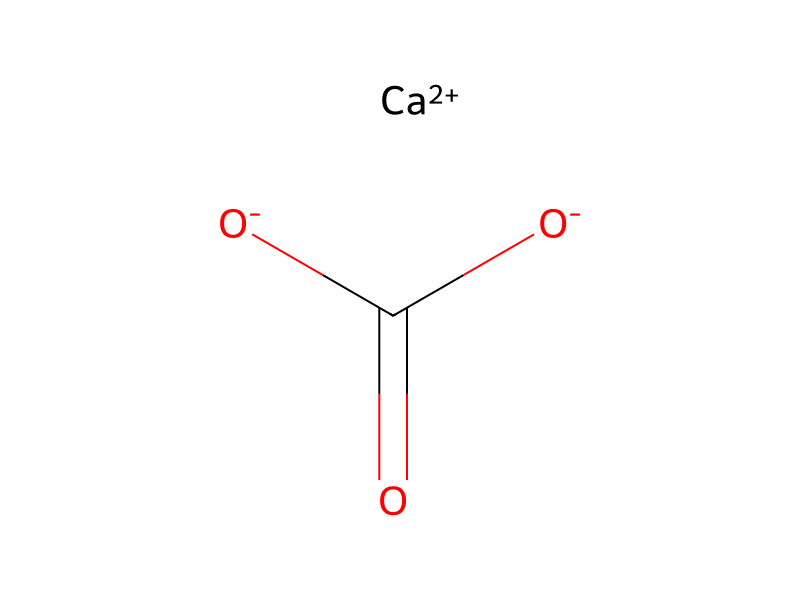
C(=O)([O-])[O-].[Ca+2:5].[P:6](=[O:10])([OH:9])([OH:8])[OH:7]>>[O-:8][P:6]([O-:10])([O-:9])=[O:7].[O-:8][P:6]([O-:10])([O-:9])=[O:7].[Ca+2:5].[Ca+2:5].[Ca+2:5]Participants


Procedure
The tricalcium phosphate was prepared from calcium carbonate and phosphoric acid by slowly mixing these two components at 180° F. Following 12 hours of drying under vacuum at 220° F. to produce a powder, the product was analyzed by X-ray analysis. This analysis revealed the product to be hydroxyapatite with a trace of monolite. The powder surface area was 13.6m2 /gm. After analysis, the material was dry ball milled for 2 hours in a polyethylene container using aluminum oxide balls. The powder so developed was calcined for 3 and 1/2 hours at 1500° F. To break up sintered agglomerates, the calcined powder was again ball milled, now with hexane, for 12 hours in a polyethylene jar with aluminum oxide balls. To manufacture the omnidirectional tricalcium phosphate (OTCP) discs, the recognized naphthalene void technique was used. The resulting critical powder volume concentration equaled 64.0% with the binder concentration being 14 weight % organic and 86 weight % beta tricalcium phosphate. The organic binder then had to be removed from the TCP. This was accomplished by a 10 day burnout cycle with a heating rate of 2° F. per hour. To form the desired TCP discs for implantation, sheets of the beta tricalcium phosphate (TCP) were formed by the known hot extrusion methodology using a special die purchased from Braebender Plastograph Company to accomplish the laminating and rolling to produce TCP in the form of 25 mm by 1.5 mm sheets. The discs were then formed by heat-laminating the sheets in alternating layers disposed ninety degrees from each other. After burnout, the matrix produced was heated 1 hour to 2000° F. and held for 2 hours, producing a final disc structure with a sintered matrix density of 82% of theoretical.
Workup
- additionby slowly mixing these two components at 180° F
- customof drying under vacuum at 220° F.
- customto produce a powder
- customAfter analysis, the material was dry ball
- custommilled for 2 hours in a polyethylene container
- customso developed was calcined for 3 and 1/2 hours at 1500° F
- custommilled, now with hexane, for 12 hours in a polyethylene jar with aluminum oxide balls
- concentrationThe resulting critical powder volume concentration
- concentrationwith the binder concentration
- customto be removed from the TCP
- waitThis was accomplished by a 10 day
Sources & evidence
- ORD record
- ord-57dff77ad3fd4ad9a0b5a364e93525c3
- Source dataset
- uspto-grants-1991_04
- Patent number
- US05011495
Reaction notes
Loading…